
The Science of Anthropometrics and Sprinting
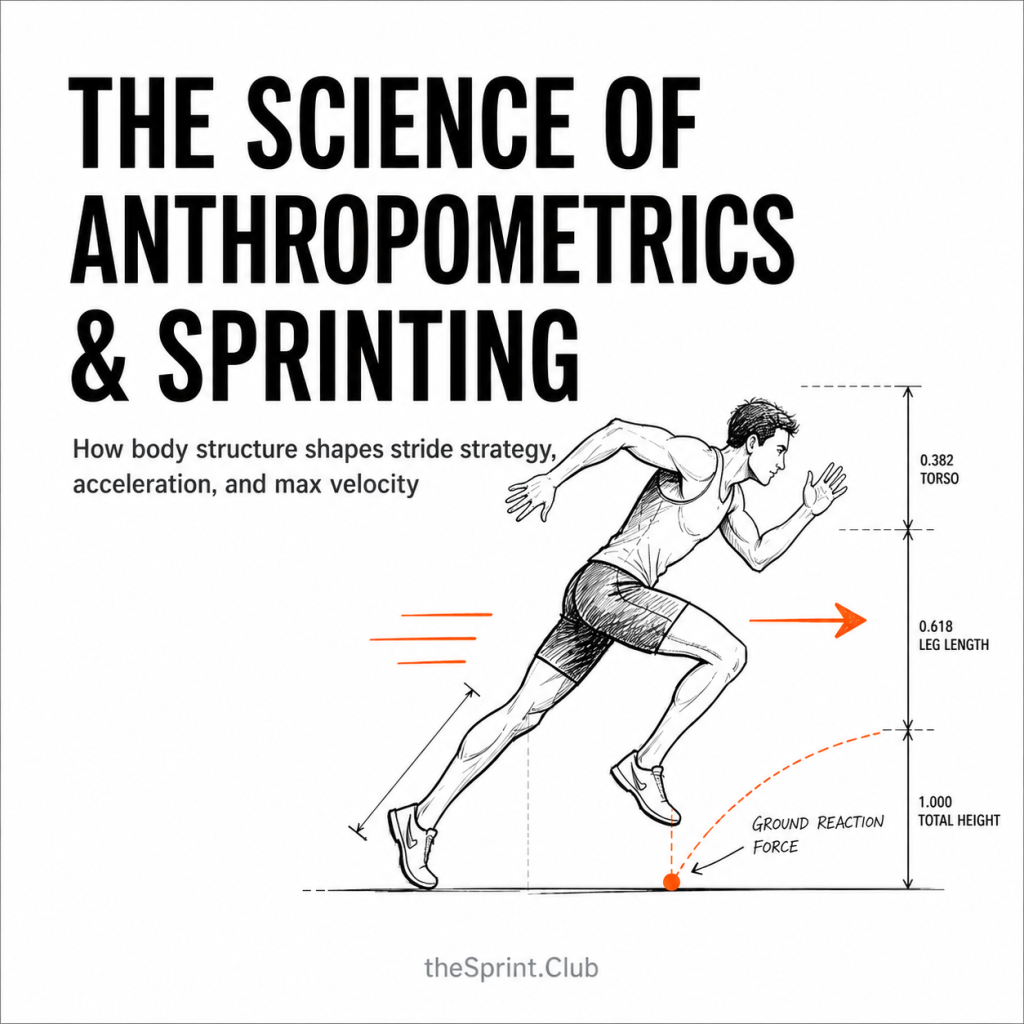
Anthropometrics do not determine whether an athlete can sprint fast, but they shape how each athlete creates speed. This post explains how height, limb length, torso proportions, body mass, and stiffness influence acceleration, max velocity, stride length, stride frequency, and sprint technique. Learn how to use body structure as a coaching map instead of forcing every sprinter into the same model.
How to Jump Higher: A Complete Guide to Explosive Leg Training
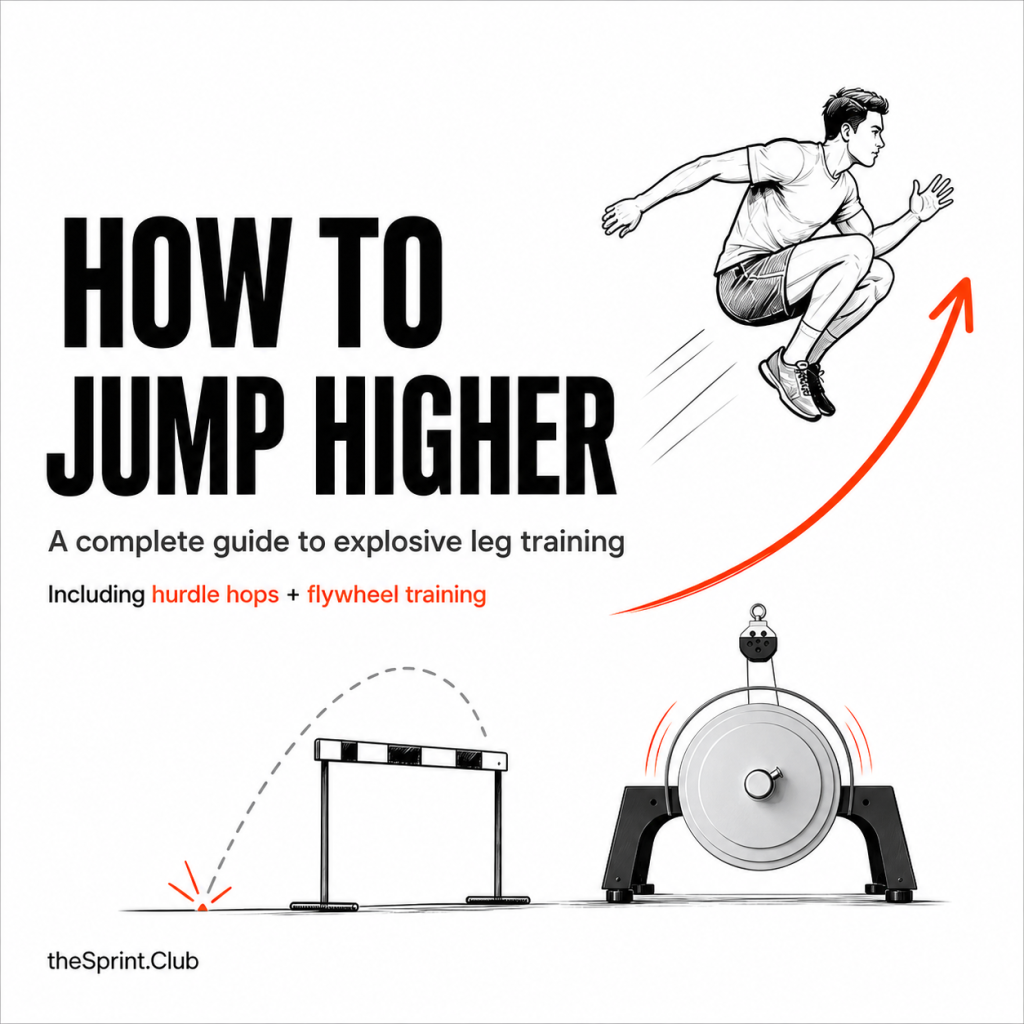
Want to jump higher? This guide breaks down the strength, stiffness, reactive power, and recovery principles behind explosive jumping. Learn how to use hurdle hops, flywheel training, plyometrics, and smart strength work to build more force, waste less energy, and rebound faster.
Best Exercises for Sprint Strength
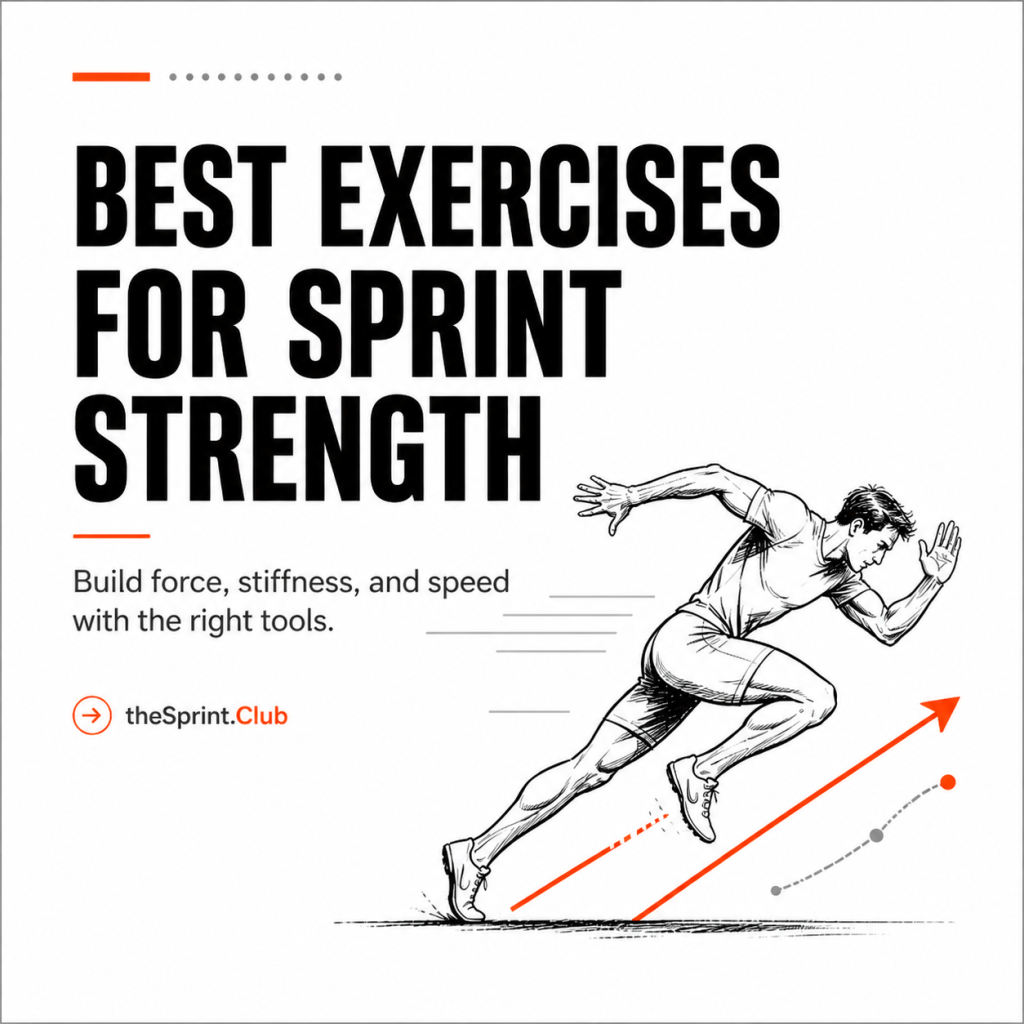
Build sprint strength that actually transfers to speed. Learn the best exercises for acceleration, max velocity, hamstring strength, elastic power, and single-leg force, plus how to organize them into a simple weekly plan for faster, cleaner sprinting.
6 Basic Rules of Sprinting Every Beginner Should Know
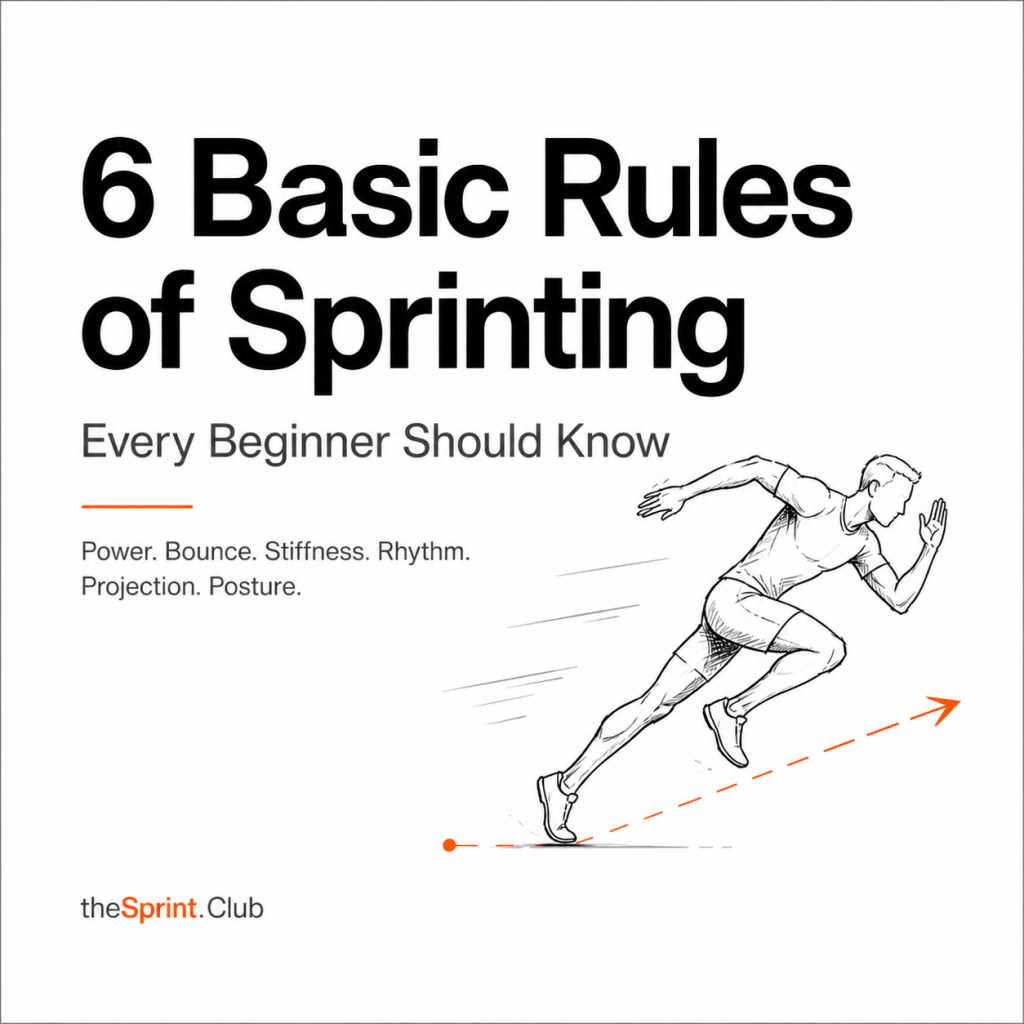
Power, bounce, stiffness, rhythm, projection, posture. Learn the 6 beginner sprinting rules that build real speed, fix common mistakes like overstriding and tension, and give you simple cues and drills to sprint faster with better mechanics.
The Rise of the Challenger: Coolest Sprinting Brands

This article breaks down why challenger sprinting brands are gaining traction, how culture and performance are converging, what the science actually says about apparel and performance, and what trends are shaping sprint gear from race-day kits to post-race identity wear.
NFL Draft Speed Architecture: A Scientific & Practical Playbook for Dropping 40-Yard Dash Time
Unlock pro-level strategies to improve your 40-yard dash: data-driven drills, acceleration profiling, force-velocity balance & combine programming insights.
The Filter: Why Nearly 40% of Elite High School Sprinters Never Get Faster
There is a quiet assumption baked into sprinting: run fast in high school, and the future will take care of itself. The data tells a very different story.
How to Sprint Faster, The Science of Max Velocity and Acceleration
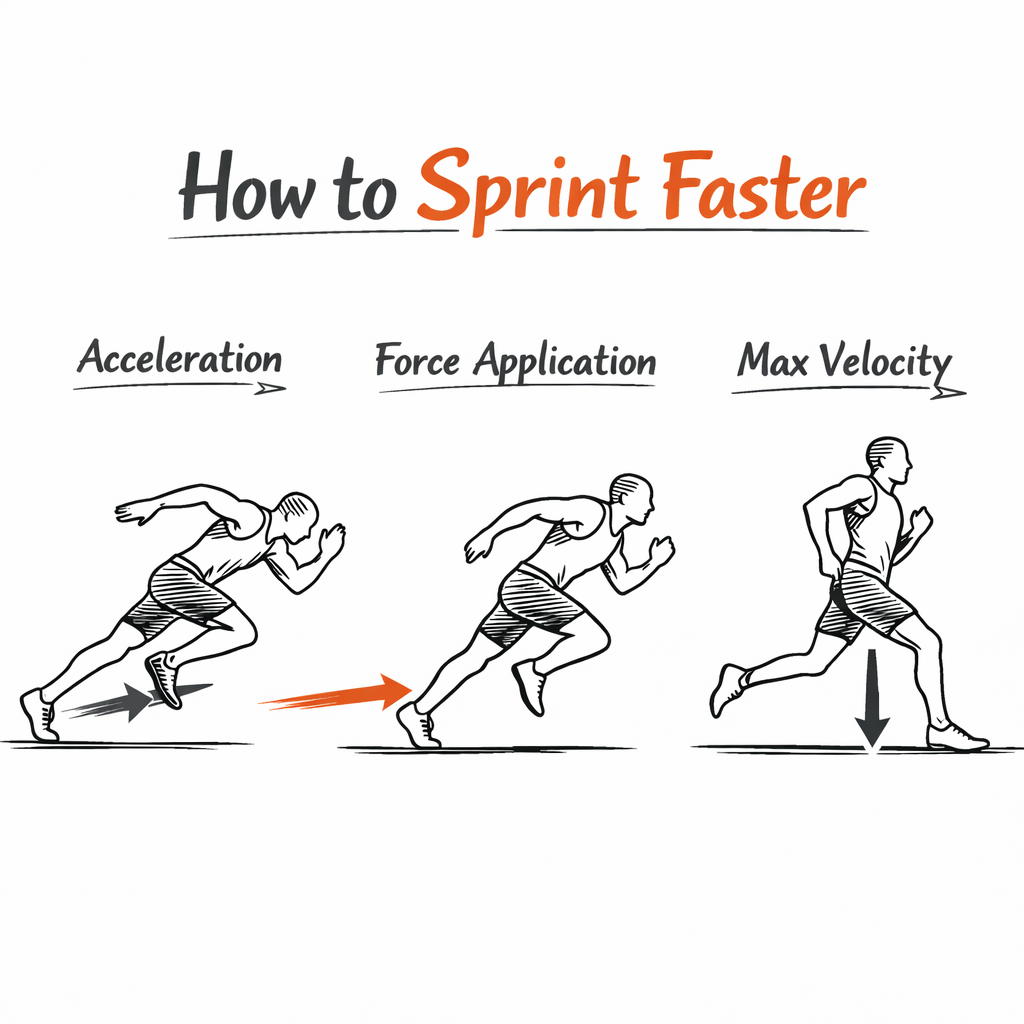
Why sprint speed stalls, what drives acceleration and top-end velocity, and how eccentric strength and force application affect performance. It also includes practical exercises, a simple 4-week sprint training framework, and clear visuals to help athletes and coaches turn the science into action.
Upstream Speed: Why the Fastest Athletes Fix the System, Not the Symptom
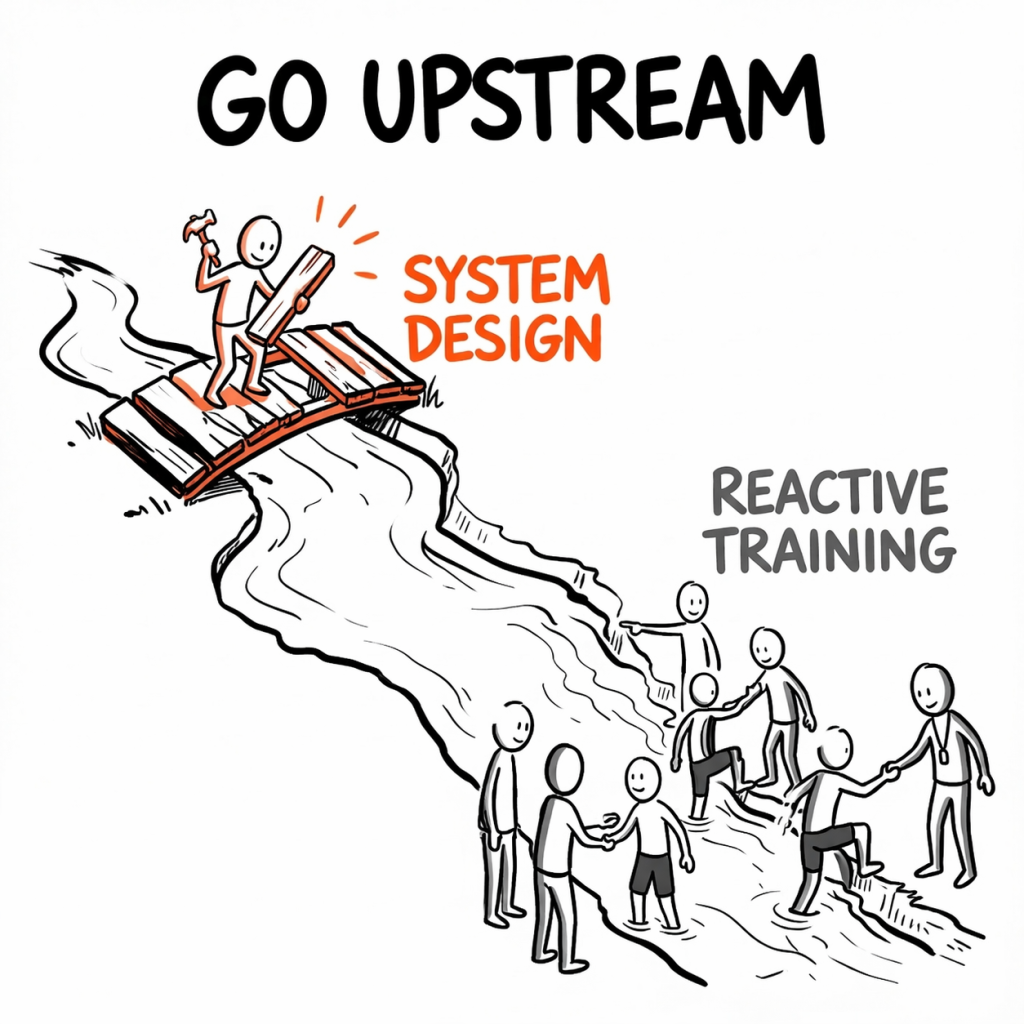
Why the fastest athletes don’t train harder — they design better systems. An upstream approach to speed, elasticity, and athletic performance.
Absorb to Produce: How Sprinters Build Elastic Strength and Durability
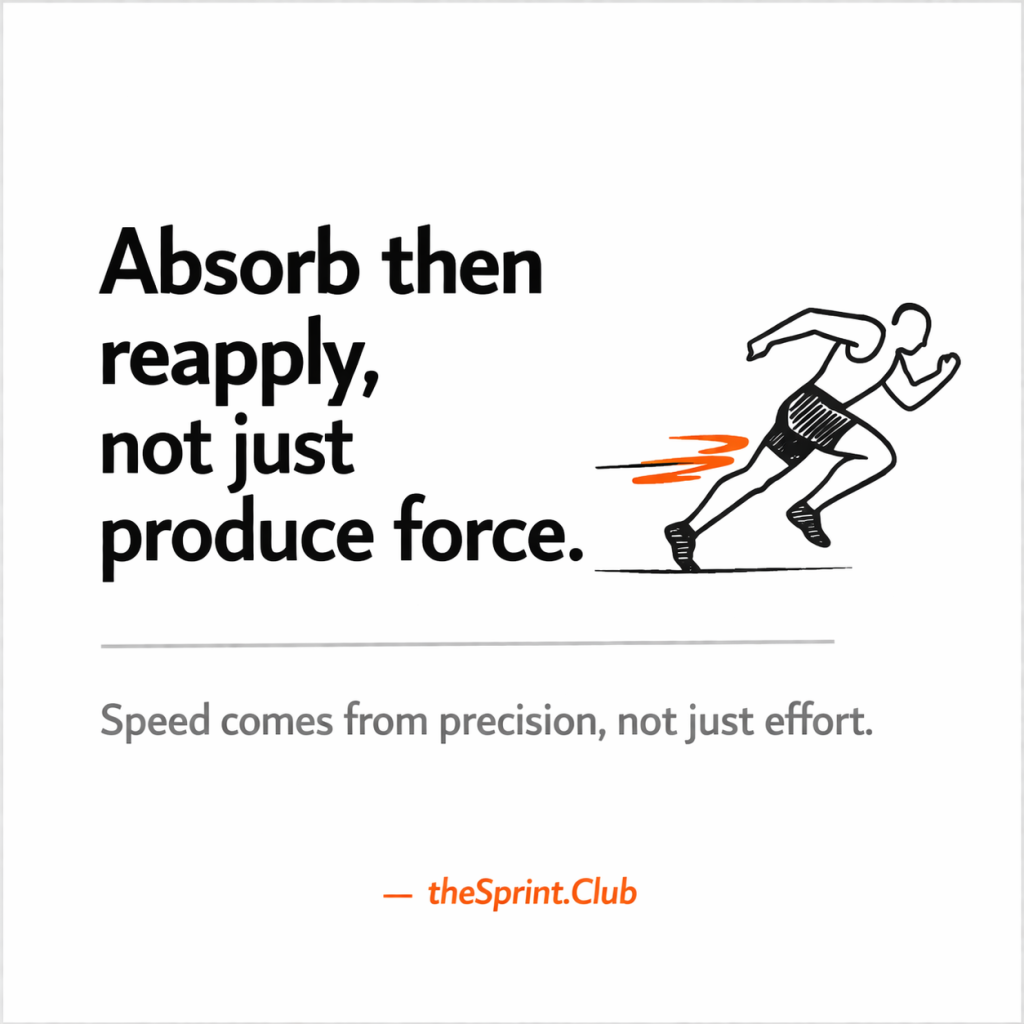
Learn how sprinters develop elastic strength by mastering force absorption and reapplication. Includes plyometric progressions, coaching cues, and training templates.
Speed Is the Organizing Principle for Sprint Training
Learn a speed-first sprint training system that protects mechanics under fatigue, improves rep quality, and helps athletes train for acceleration and max velocity.
Negative Step Sprinting: Physics, Biomechanics, and Training for Elite Acceleration
Learn the physics, biomechanics, and coaching principles behind negative steps and negative foot speed in elite sprinting. Includes research, drills, visuals, and training methods.
Physics of Sprinting: Forces, Posture, and the Foot–Ankle Advantage
A coach-tested, research-backed guide to the physics of sprinting—forces, posture, foot–ankle stiffness, and drills for start, acceleration, MaxV, and speed.
The Standard Model of Sprinting: Why Modern Biomechanics Has Changed the Game

Discover how modern biomechanics is reshaping sprint training, replacing outdated “base building” with max velocity and acceleration-first methods.
MaxV is King

Discover why maximum velocity (MaxV) is the king of sprint training. Learn how improving MaxV boosts acceleration, speed, and neuromuscular performance.
Sprint Qualities

Sprint qualities explained: power, RFD, stiffness, elasticity, posture, and speed endurance. Practical training, tests, and progressions to get faster now.
Sprinting Simplified

Sprinting Simplified is a beginner’s guide to running at true top speed. Learn the phases of a sprint, the mechanics that drive speed—force orientation, stride, thigh angular velocity, and leg stiffness—and how to build posture, arm action, and foot strike to get faster safely while avoiding common injuries.

