Discover why maximum velocity (MaxV) is the king of sprint training. Learn how improving MaxV boosts acceleration, speed, and neuromuscular performance.
Sprint qualities explained: power, RFD, stiffness, elasticity, posture, and speed endurance. Practical training, tests, and progressions to get faster now.
Sprinting Simplified is a beginner’s guide to running at true top speed. Learn the phases of a sprint, the mechanics that drive speed—force orientation, stride, thigh angular velocity, and leg stiffness—and how to build posture, arm action, and foot strike to get faster safely while avoiding common injuries.
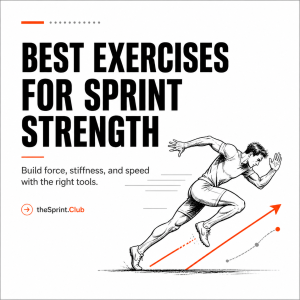
Build sprint strength that actually transfers to speed. Learn the best exercises for acceleration, max velocity, hamstring strength, elastic power, and single-leg force, plus how to organize them into a simple weekly plan for faster, cleaner sprinting.
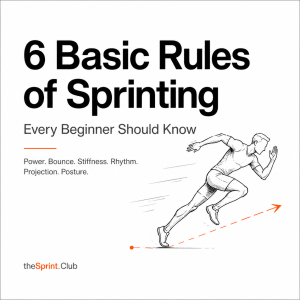
Power, bounce, stiffness, rhythm, projection, posture. Learn the 6 beginner sprinting rules that build real speed, fix common mistakes like overstriding and tension, and give you simple cues and drills to sprint faster with better mechanics.
This article breaks down why challenger sprinting brands are gaining traction, how culture and performance are converging, what the science actually says about apparel and performance, and what trends are shaping sprint gear from race-day kits to post-race identity wear.
There is a quiet assumption baked into sprinting: run fast in high school, and the future will take care of itself. The data tells a very different story.
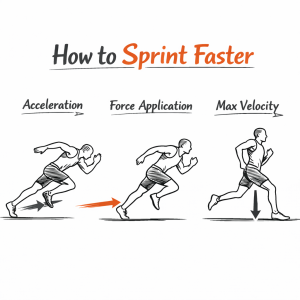
Why sprint speed stalls, what drives acceleration and top-end velocity, and how eccentric strength and force application affect performance. It also includes practical exercises, a simple 4-week sprint training framework, and clear visuals to help athletes and coaches turn the science into action.
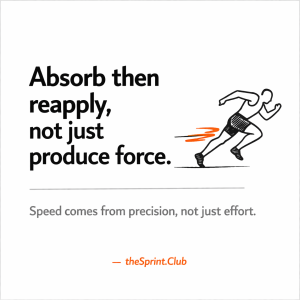
Learn how sprinters develop elastic strength by mastering force absorption and reapplication. Includes plyometric progressions, coaching cues, and training templates.
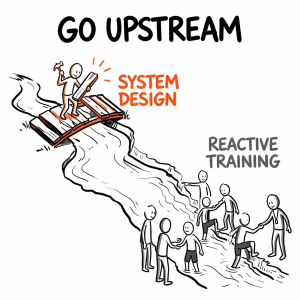
Learn a speed-first sprint training system that protects mechanics under fatigue, improves rep quality, and helps athletes train for acceleration and max velocity.
The Speed Plateau Series: How to Break Through and Get Faster
You can get stronger for months and still stay the same speed. Squat up, deadlift up, vertical up, but the 40 does not move. That plateau is common in sprint based sports because sprinting is not a test of how much force you can produce. Sprinting is a test of how much force you can apply in extremely short ground contact times, in the right direction, without leaking it through mechanics or fatigue.
Track what actually matters. Learn the 10 sprint performance metrics every sprinter should monitor, why they matter, and how to measure them accurately.
Learn the physics, biomechanics, and coaching principles behind negative steps and negative foot speed in elite sprinting. Includes research, drills, visuals, and training methods.