|
|
|
|
|
|
The fastest player on the field isn't the one who wins the 100m — it's the one who reads the play, explodes in the right direction, and decelerates before the collision. Speed in sport is a skill, not just a trait.
|
|
|
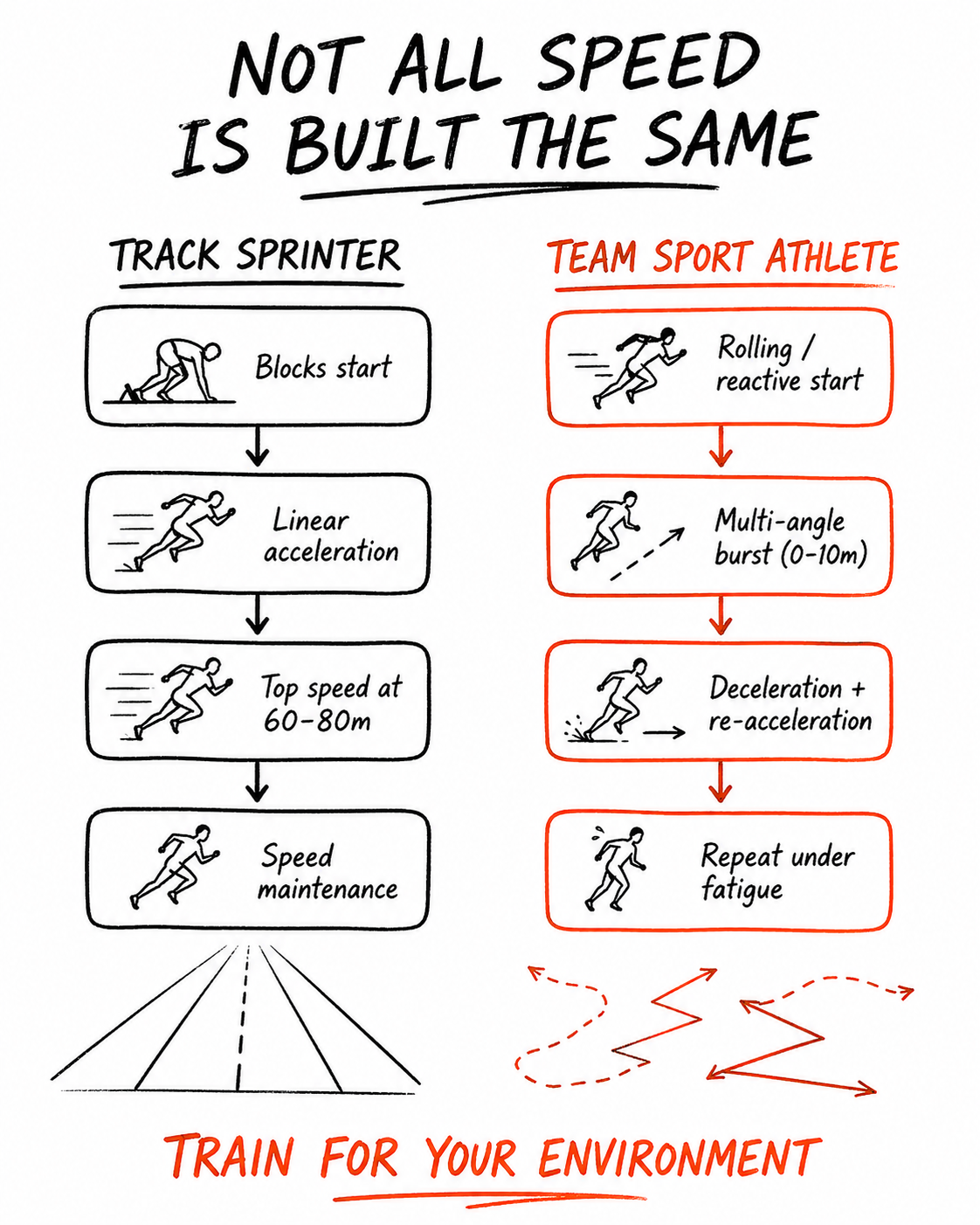
Track sprinters train to run fast in a straight line, from a stationary start, with no external decision-making.
|
Team sport athletes need speed that looks nothing like that: reactive, multi-directional, and embedded in chaos.
|
Yet most speed programs are still built on a track model. That mismatch is costing athletes performance and increasing injury risk.
|
This issue breaks down why the two demand different approaches, what the key differences are, and how to train speed that actually transfers to the field.
|
|
|
The Science: Context-Specific Acceleration
Research from sports biomechanics shows that the first 3–5 steps of acceleration are where most game-changing plays happen and those steps look fundamentally different depending on context:
|
|
Acceleration angles matter.
|
|
A soccer winger accelerating from a lateral shuffle uses completely different muscle recruitment patterns than a sprinter driving out of blocks. The trunk lean, foot strike position, and hip angle all change based on the preceding movement.
|
|
|
Key findings:
- Reactive agility (responding to a stimulus) produces 15–20% slower sprint times than pre-planned sprints but it's what sport actually demands
- Curved sprinting (common in soccer, rugby, football) reduces max velocity by ~5–10% and shifts force demands to the outside leg
- Deceleration forces in team sports are 2–3x higher than acceleration forces yet rarely trained directly
- Repeated sprint ability (RSA) declines 8–12% after 6 sprints, meaning metabolic conditioning is inseparable from speed
|
|
|
|
Actionable Tips: Training Speed for the Field
Tip 1: Train Starts From Sport Positions
Ditch the 3-point stance (unless you're a lineman).
|
Instead, start sprints from:
|
- A lateral shuffle
- A backpedal
- A jog into a cut
- A defensive stance
- After catching or receiving a ball
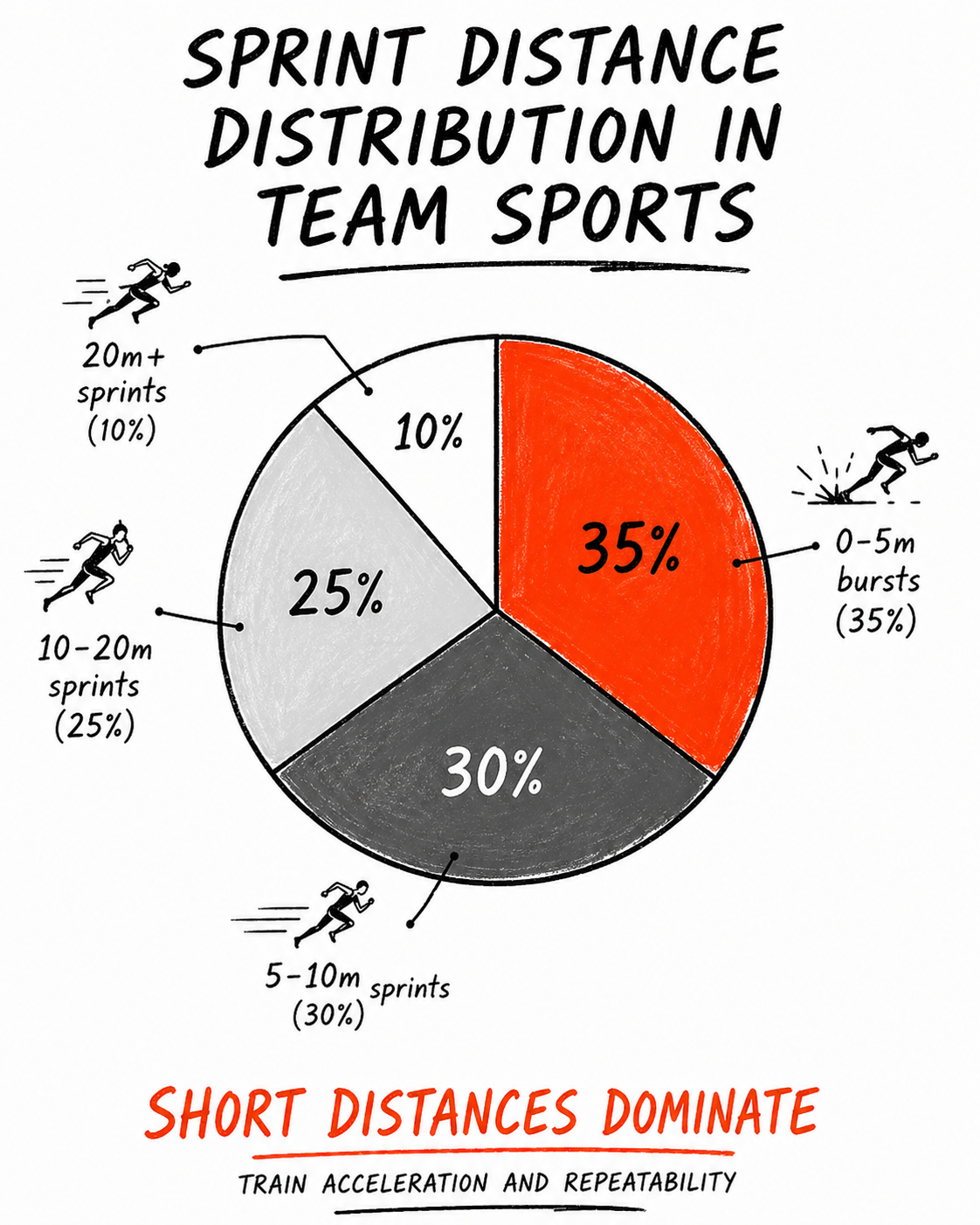
Tip 2: Prioritize the 0–10m Zone
Most programs over-index on top speed. For field athletes:
|
- 70% of sprint volume should be 5–15m efforts
- Use heavy sled pushes/drags for short-distance power
- Wall drills for initial drive mechanics
Tip 3: Train Deceleration as a Skill
|
|
|
This is the most undertrained quality in sport. ACL tears, hamstring strains, and ankle injuries disproportionately happen during deceleration not acceleration. Train braking mechanics deliberately.
|
|
- Drop-step decelerations from a sprint
- Approach runs into a hard stop + redirect
- Eccentric-focused strength work (Nordics, RDLs, Spanish squats)
Tip 4: Add Decision-Making to Speed Work
Reactive speed > pre-planned speed for sport transfer:
|
- Mirror drills with a partner
- Coach-signal sprints (point, call, light system)
- Small-sided games as high-transfer conditioning
Tip 5: Build Repeated Sprint Ability
Single-effort speed is useless if it disappears after the first quarter:
|
- Sprint intervals: 6–10 x 20m with 20–30s rest
- Work:rest ratios that match your sport's demands
- Monitor sprint time decay across sets your drop-off % is your fitness marker
|
|
|
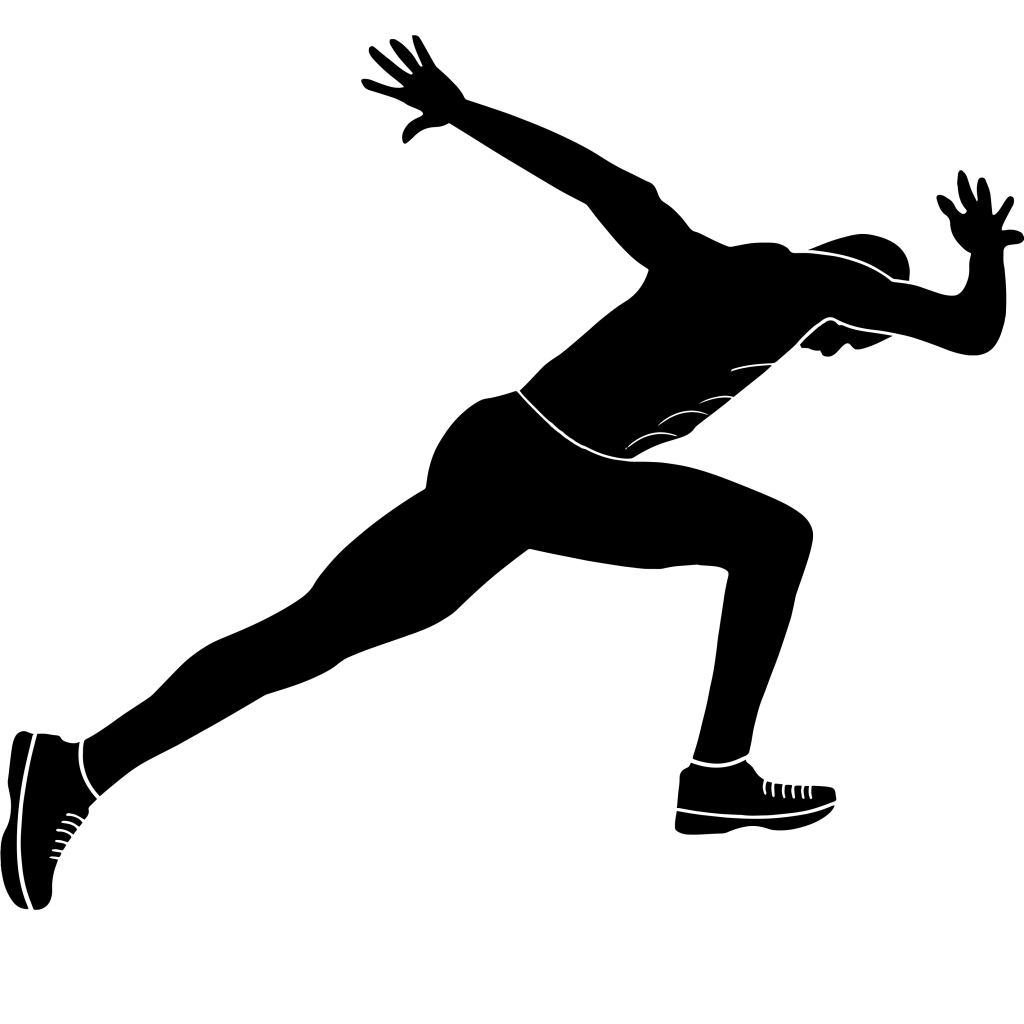
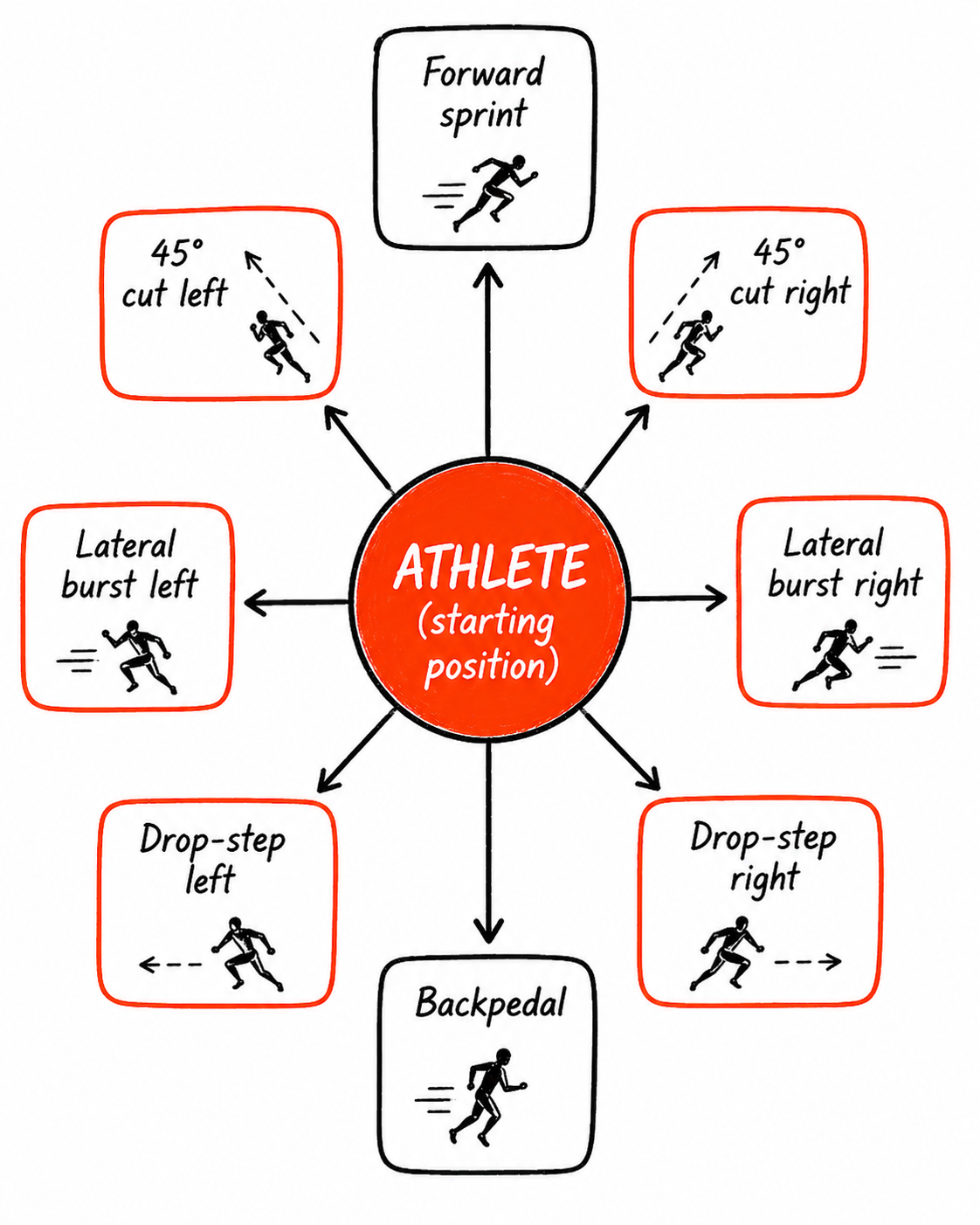
Key insight: Track sprinters train ONE of these directions. Team sport athletes need competency in ALL of them and the ability to transition between them in milliseconds.
|
|
|
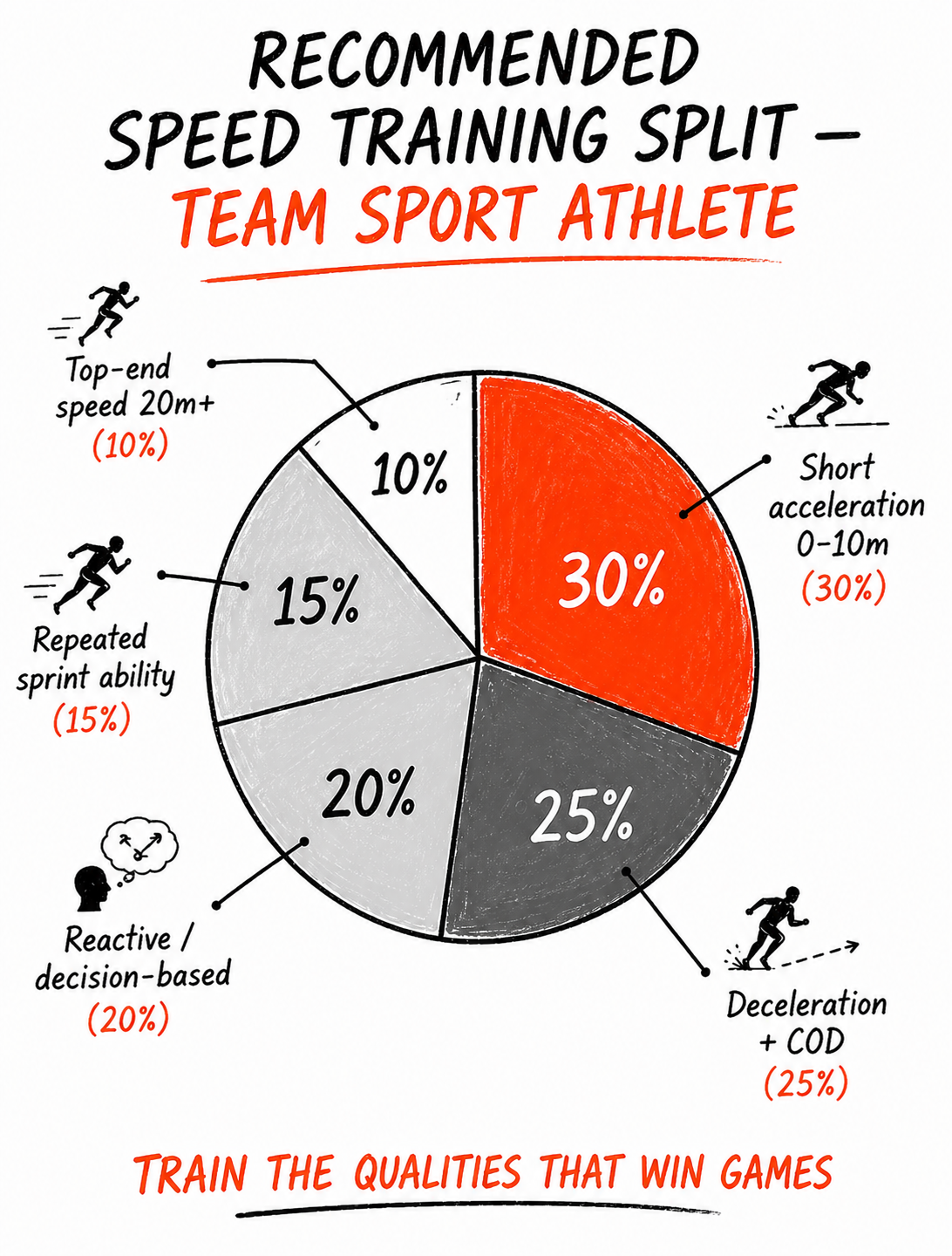
Stop purely training like a sprinter if you play a team sport. The demands are different, the distances are shorter, the directions are unpredictable, and the ability to brake and re-accelerate matters more than top speed. Train the speed your sport actually needs context-specific, reactive, and repeatable.
|
|
|
|
|
|
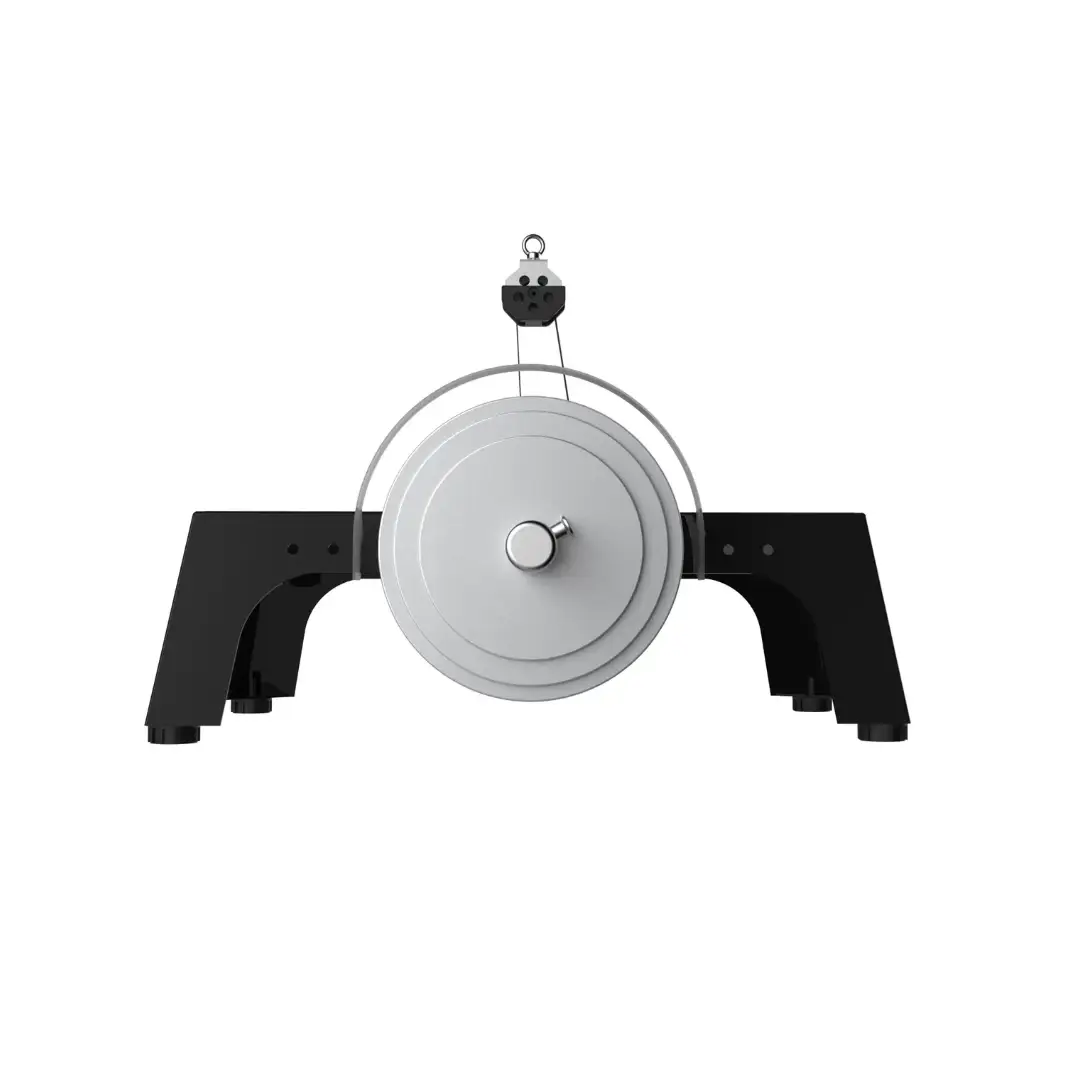
EccentriDisk Flywheel Trainer
|
|
|
Elevate your athletic prowess with the EccentriDisk Flywheel Trainer! Engineered for explosive strength, this versatile flywheel system (with 8", 10", 12" disks) delivers eccentric overload for superior sprint speed, jump height, and power. Featuring a non-slip foot surface, durable braided strap, and accessories like a hand bar and waist belt, it’s ideal for athletes targeting muscle hypertrophy and injury prevention. Compatible with Exxentric flywheels. Shop now at thesprint.club
|
|
|
|
|
|
|
|
|
|
Thanks for reading. See you soon!
|
|
|
|
|
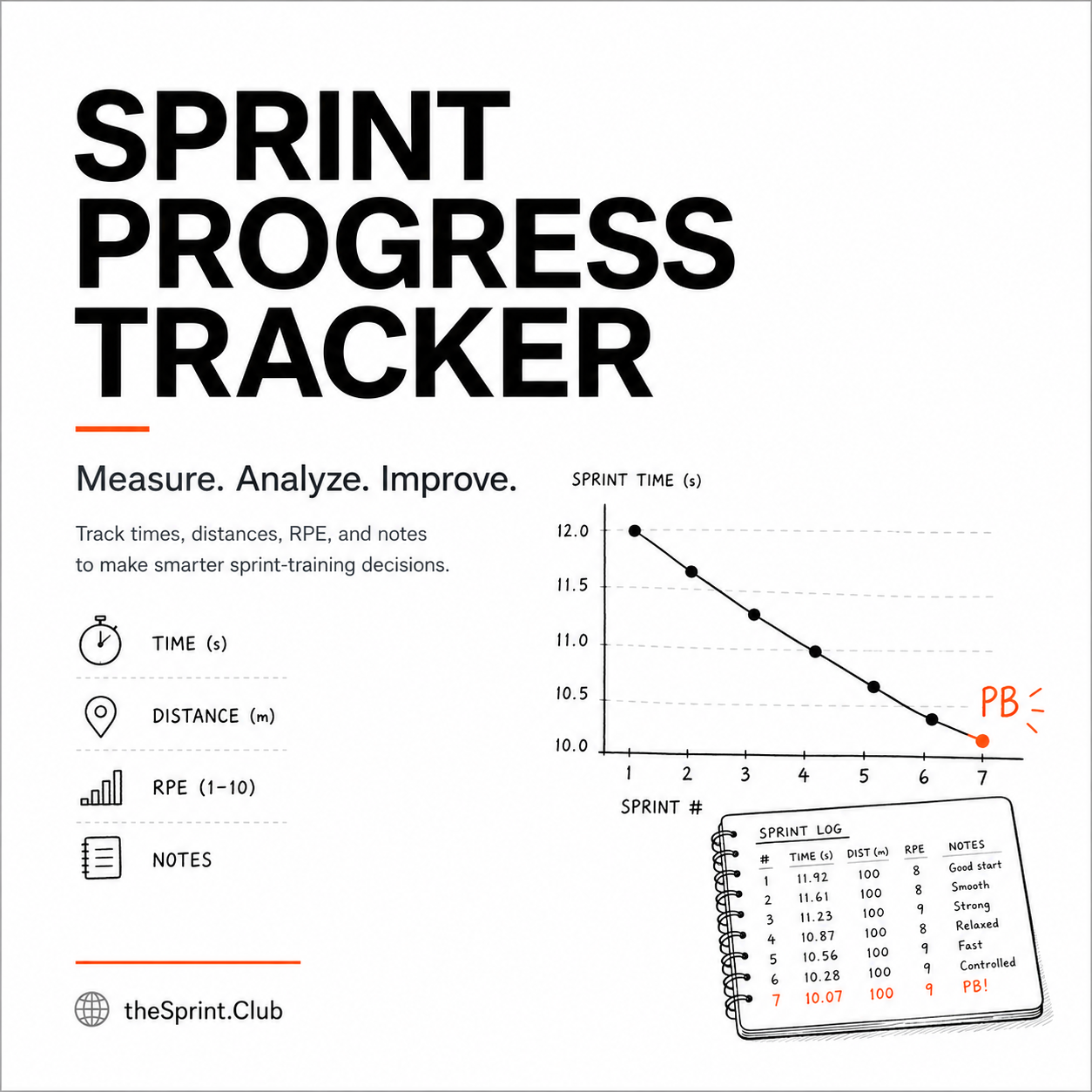
Sprint Progress Tracker: Measure and Improve Your Speed
|
|
|
|
Use a sprint progress tracker to record times, monitor fatigue, identify trends, and make smarter training decisions that improve sprint performance.
|
|
|
|
|
|
|
|
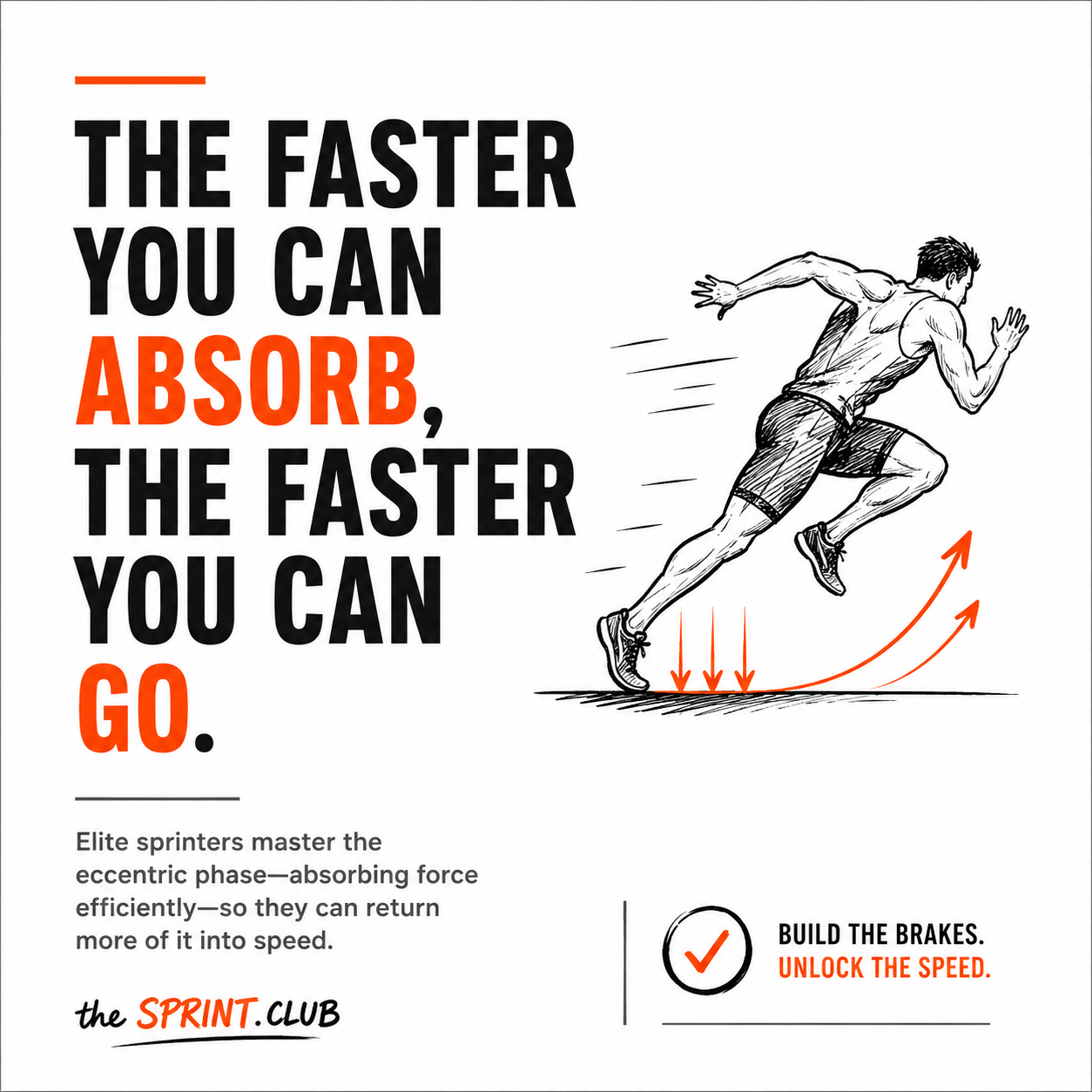
Why absorbing force efficiently is the missing link to faster sprint times, shorter ground contacts, and better performance.
|
|
|
|
Most athletes focus on producing force. Elite sprinters also master absorbing it. Every sprint step begins with a collision between the foot and the ground. Before you can produce force, your body must accept it. Athletes who develop exceptional eccentric strength can absorb larger forces, store more elastic energy, reduce ground contact time, and return more of that energy into …
|
|
|
|
|
|
|
|
|