|
|
|
|
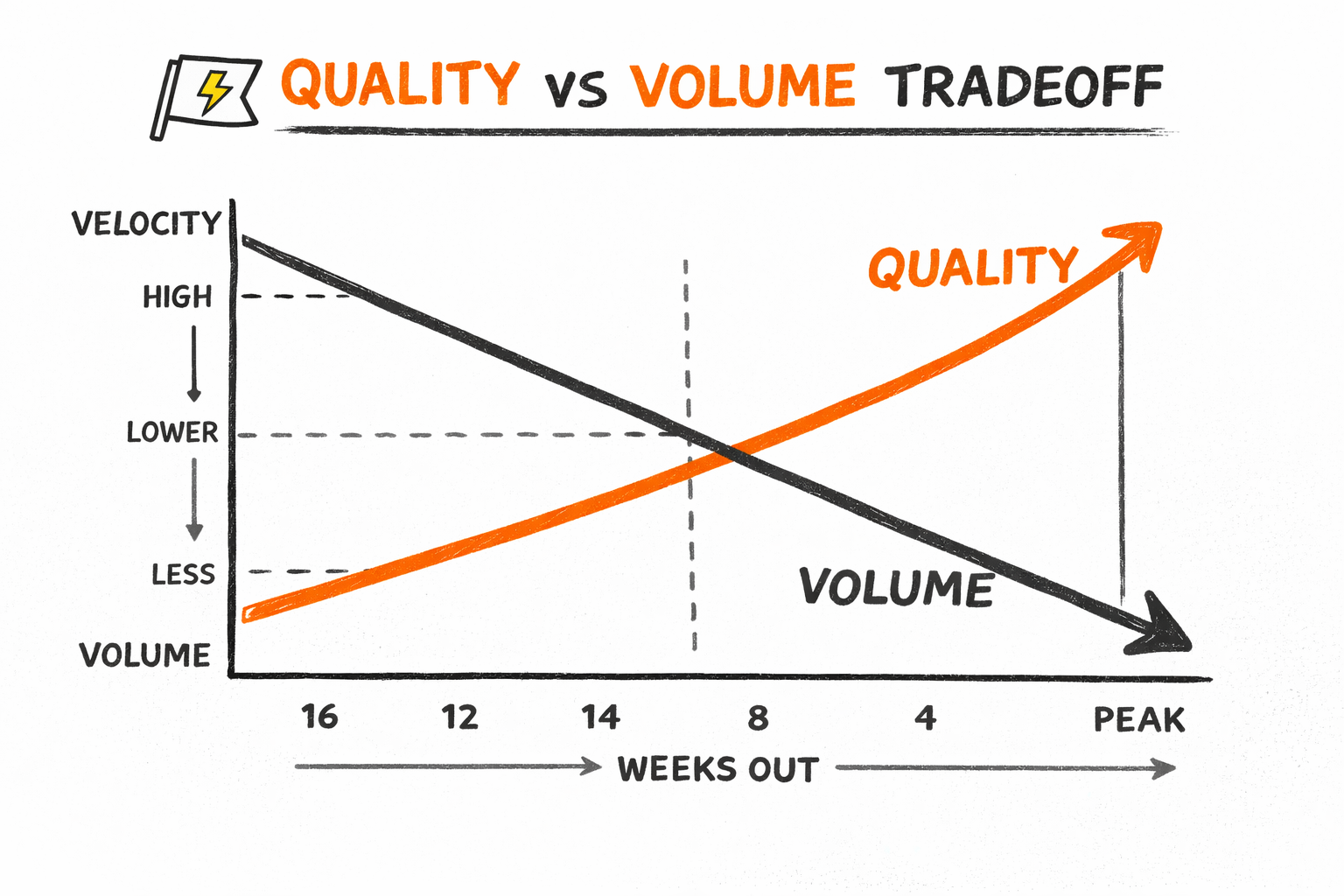
Reverse Periodization Logic for Speed, Power, and Performance
|
|
The Core Mistake Most Programs Make
Most training plans begin with what is convenient today, not what is required when it matters most.
|
Week 1 becomes the anchor.
|
Championship week becomes an afterthought.
|
Reverse periodization flips that logic.
|
You start by defining what the athlete must tolerate, express, and repeat in the final week, then you work backward to build only what is necessary to support that outcome.
|
|
|
|
The First Question That Actually Matters
Before writing a single workout, answer this:
|
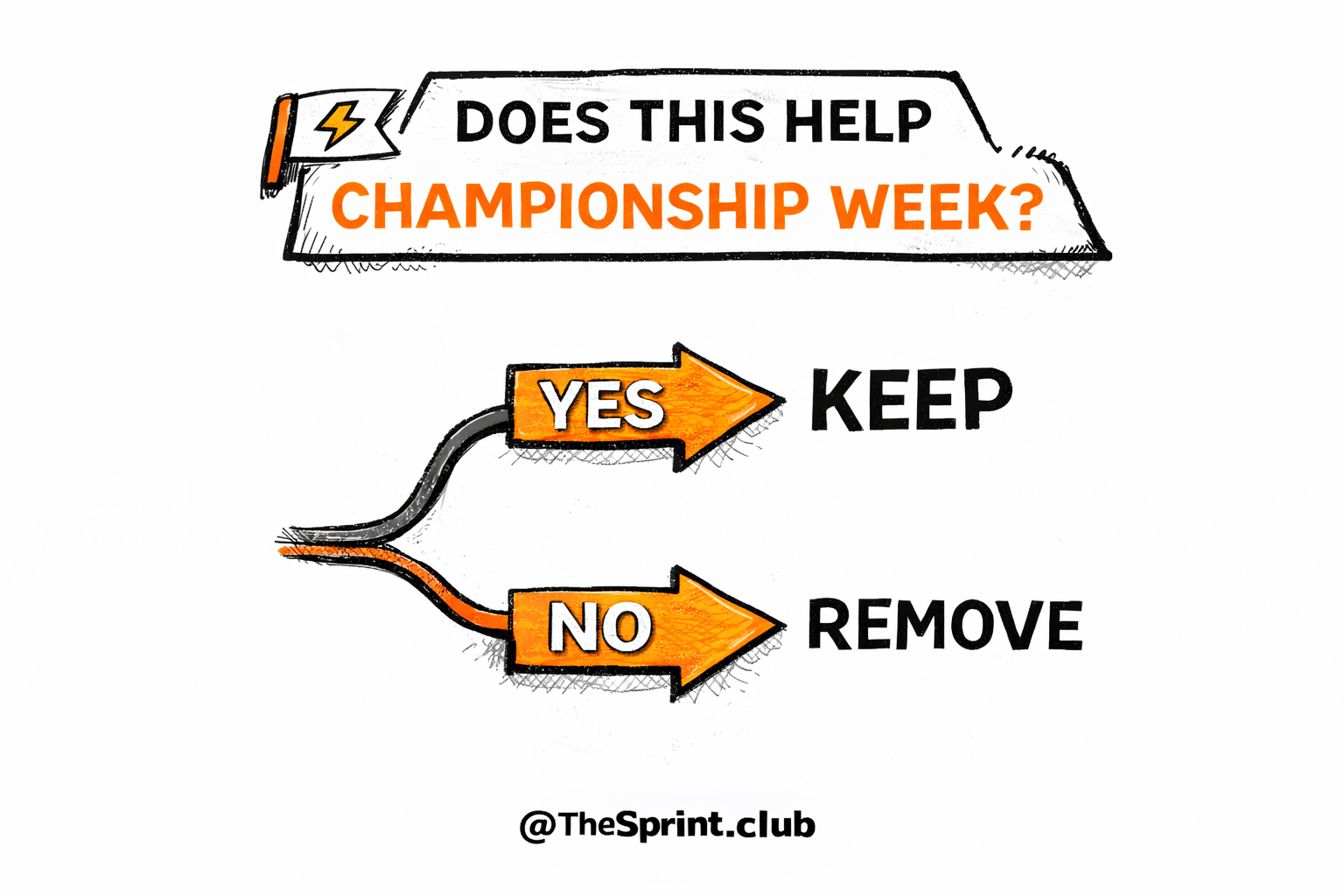
What must this athlete be able to do in championship week?
|
- Hit ≥98% max velocity on demand
- Maintain sprint quality with minimal drop-off
- Tolerate long rest, high neural output, low volume
- Execute under fatigue, pressure, and long competition days
- Feel fast, not tired
Everything upstream exists to make that week inevitable, not hopeful.
|
|
|
|
|
|
|
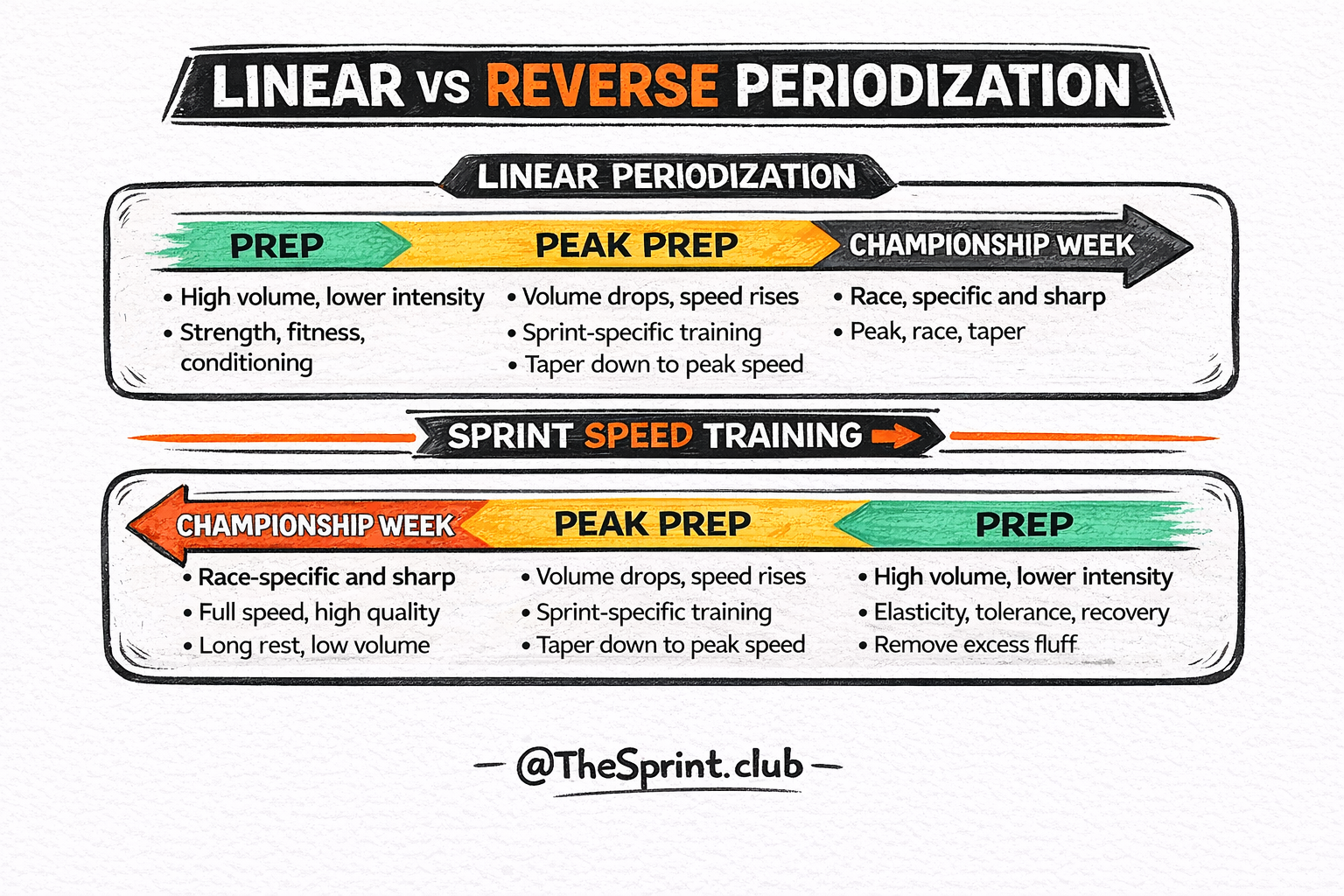
Reverse Periodization in Plain Terms
- Accumulate volume
- Add intensity later
- Hope it sharpens in time
- Define peak qualities first
- Identify what supports those qualities
- Remove everything that interferes
This is subtraction-first programming.
|
|
|
|
|
|
|
|
|
|
Thanks for reading. See you soon!
|
|
|
|
|
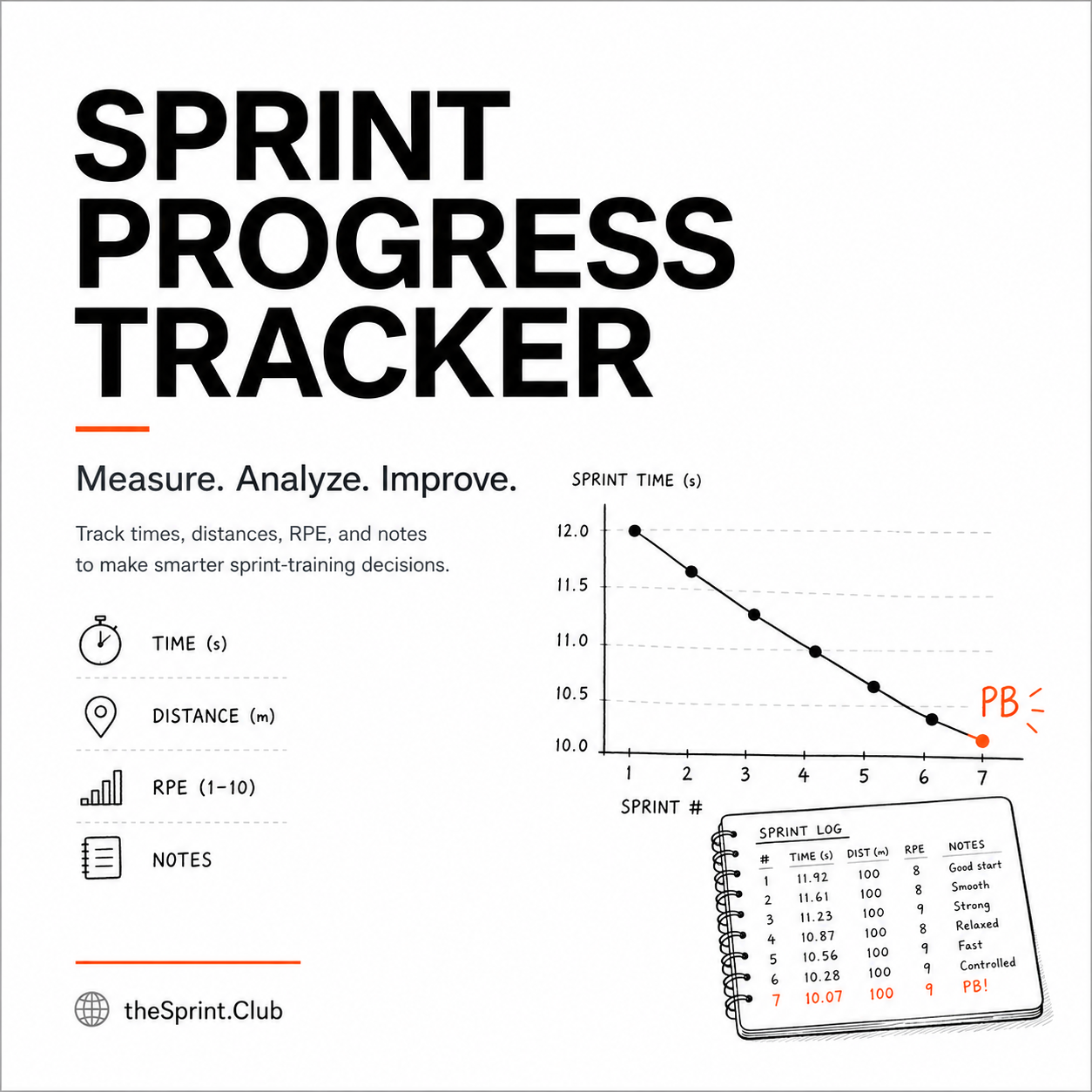
Sprint Progress Tracker: Measure and Improve Your Speed
|
|
|
|
Use a sprint progress tracker to record times, monitor fatigue, identify trends, and make smarter training decisions that improve sprint performance.
|
|
|
|
|
|
|
|
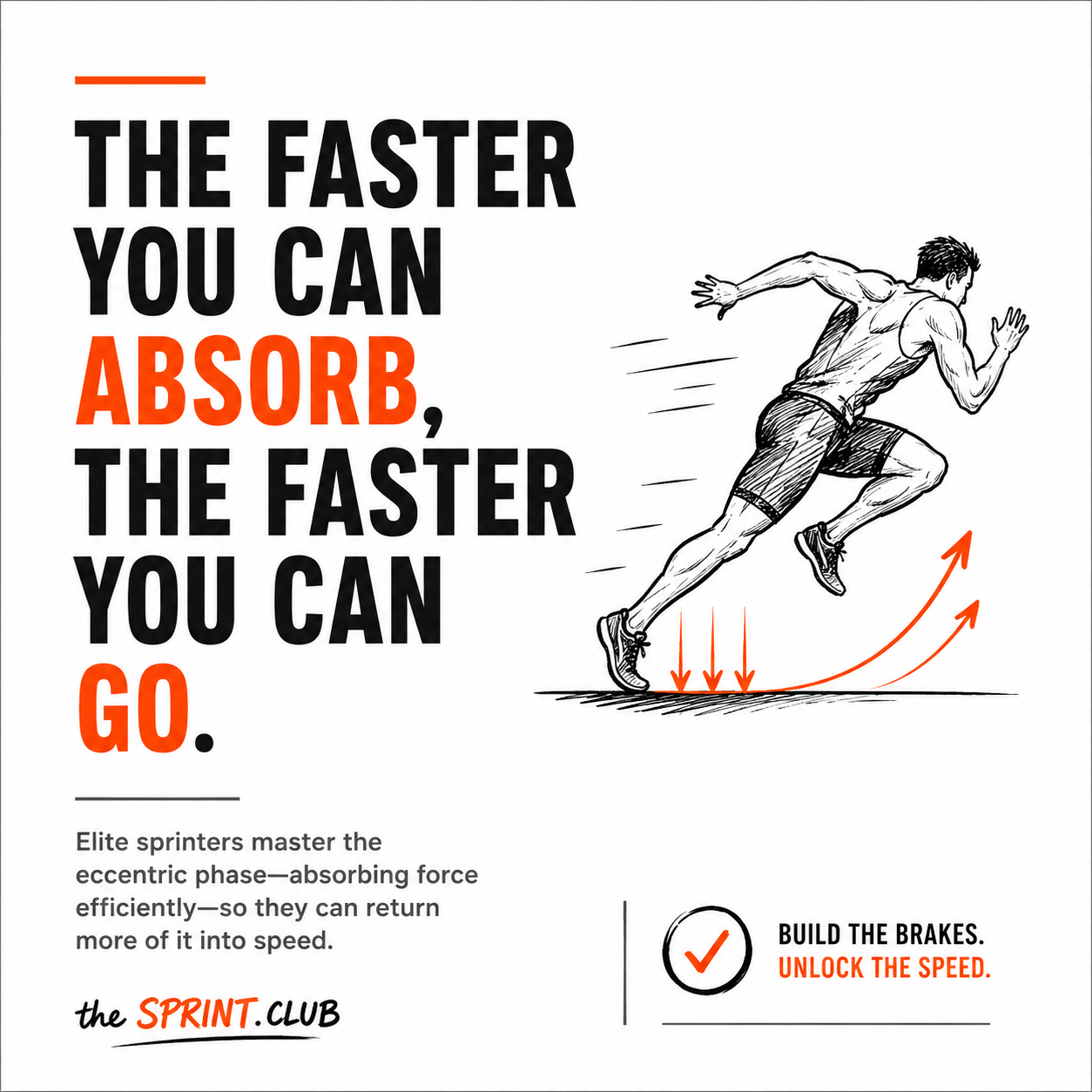
Why absorbing force efficiently is the missing link to faster sprint times, shorter ground contacts, and better performance.
|
|
|
|
Most athletes focus on producing force. Elite sprinters also master absorbing it. Every sprint step begins with a collision between the foot and the ground. Before you can produce force, your body must accept it. Athletes who develop exceptional eccentric strength can absorb larger forces, store more elastic energy, reduce ground contact time, and return more of that energy into …
|
|
|
|
|
|
|
|
|