|
|
|
|
The Negative Step: The Most Misunderstood Part of Acceleration
|
|
Most coaches talk about projection angles, shin positions, or stride frequency. But one detail separates high-level accelerators from everyone else:
|
|
Where the foot lands relative to the center of mass (COM).
|
|
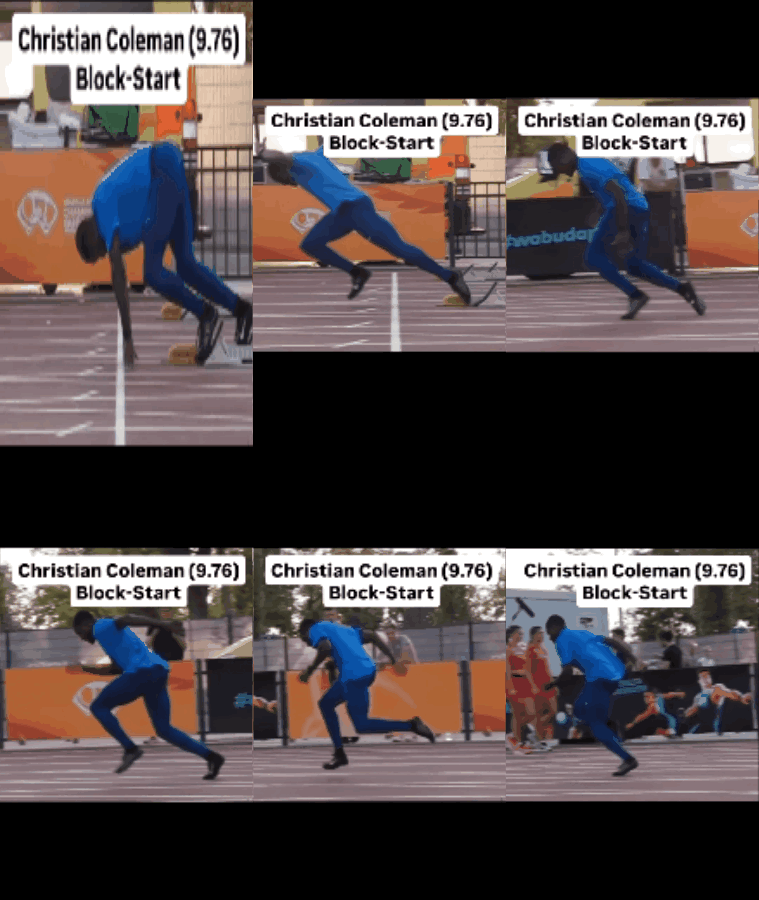
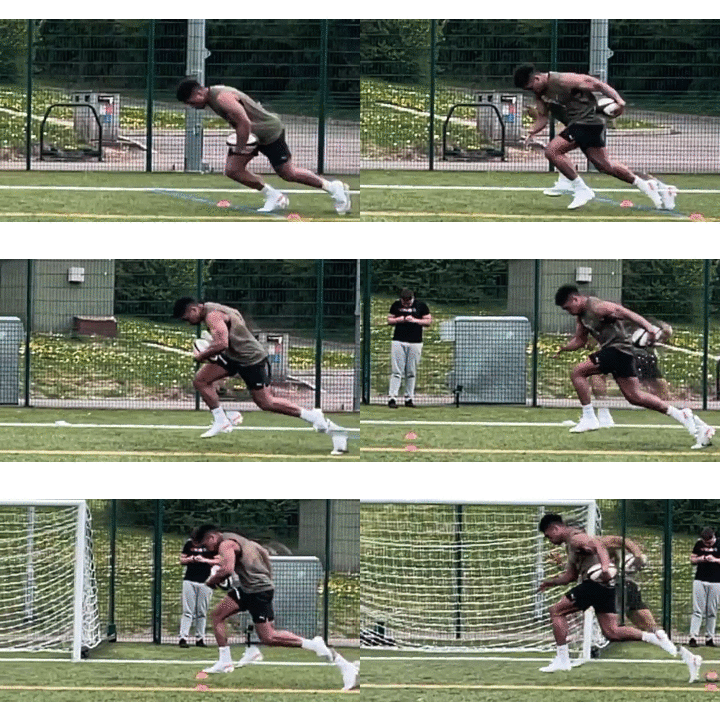
A negative step means the foot touches down slightly behind the COM.
|
|
Not beside it. Not ahead of it. Behind it.
|
That single detail shifts the whole physics of acceleration. When the foot contacts behind the COM:
|
- The athlete avoids braking forces.
- Ground contact shifts entirely toward propulsion, not deceleration.
- Horizontal force rises because the shin angle stays positive at touchdown.
|
This is why elite sprinters seem to “explode” out of their first two steps. They’re not just strong.
|
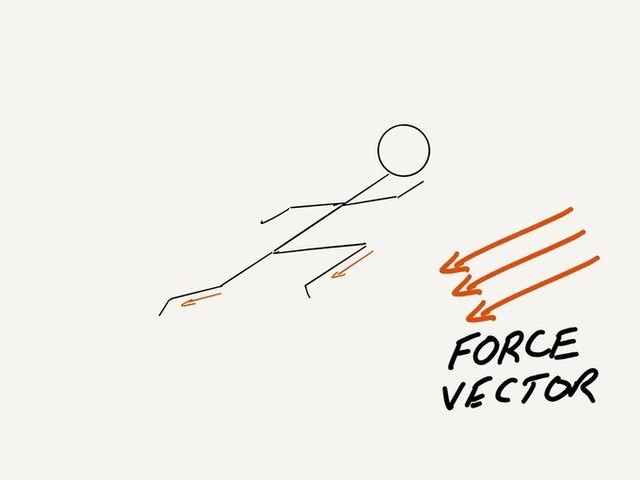
They’re organized to apply force backward to propel them forward, not upward.
|
|
|
|
|
Why It Works: The Research Behind Force Direction
Even though “negative step” itself isn’t a standard research label, the biomechanics behind it are well-documented.
|
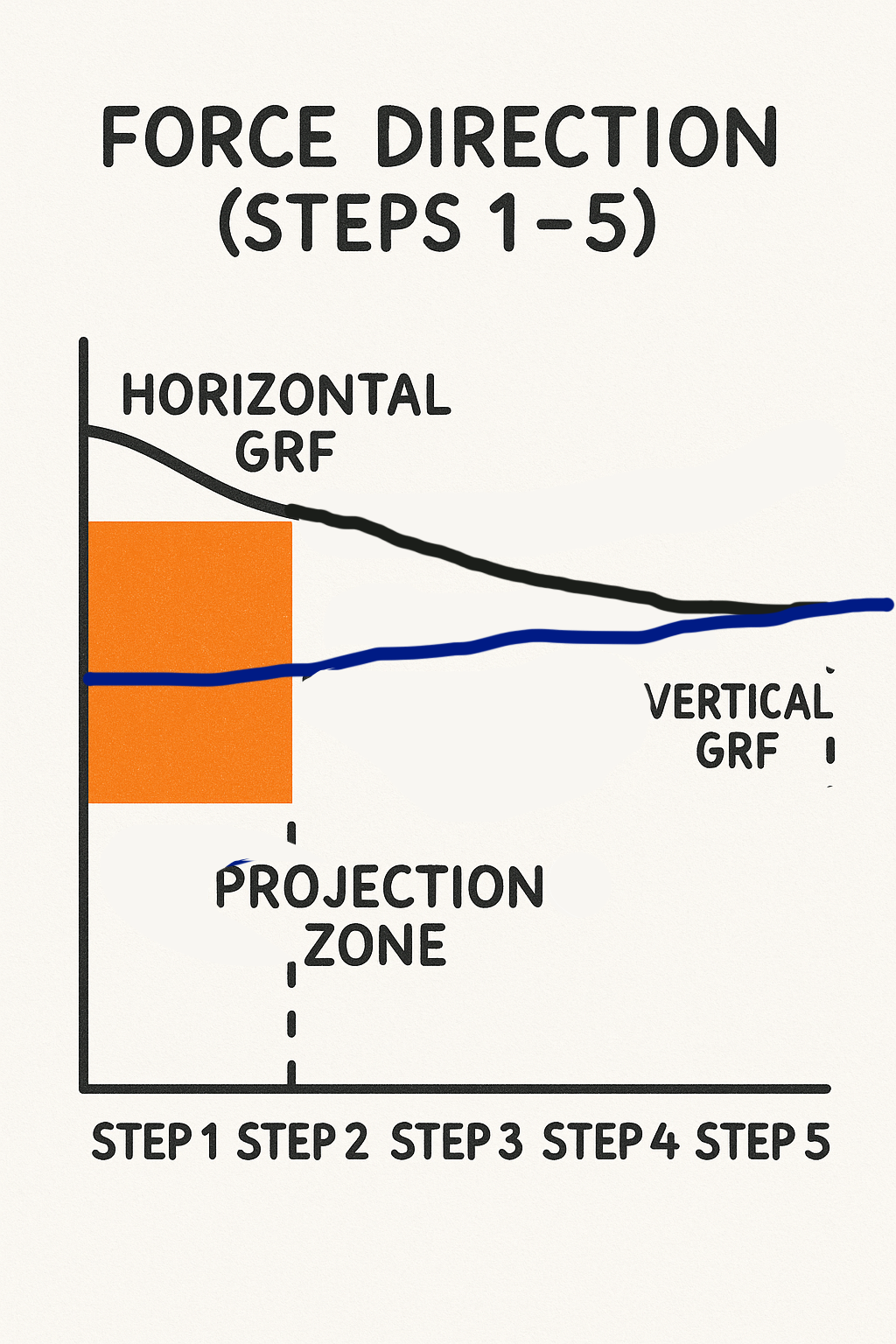
- Faster accelerators produce higher horizontal ground reaction forces (GRF) in early steps.
Source: Studies on sprint start mechanics and block exit GRF relationships.
|
- Larger horizontal GRF is strongly linked to performance during steps 1–5, not just block clearance.
Source: Sprint acceleration GRF analyses across trained athletes.
|
- A 2025 F-V profiling study found that stronger athletes, particularly those with greater lower-limb power, produced larger horizontal forces during initial acceleration.
Source: PLOS One, 2025 (lower-limb strength vs GRF correlation).
|
- Overstriding, meaning the foot lands far ahead of COM, increases braking impulse and slows horizontal velocity rise.
Source: Sprint overstride and braking impulse research summaries.
|
|
The biomechanical logic aligns:
|
Landing behind COM + aggressive retraction = force aimed forward, not upward.
|
|
|
Where Most Athletes Fail
|
Most developing sprinters cannot produce a negative step for three reasons:
|
1. Insufficient RFD
|
Rate-of-force-development is the real separator.
|
Without extremely rapid vertical impulse, the athlete cannot:
|
- Maintain balance in projection
- Support body mass in the short GCT
- Create enough flight time to reposition the swing leg
Elite athletes do this automatically. Novices cannot.
|
2. Passive Swing-Leg Mechanics
|
A negative step only happens when the thigh is punched down and back.
|
This aggressive retraction:
|
- Creates a steeper shin angle
- Reduces touchdown distance
- Decreases braking
- Drives the torso forward
Passive athletes try to “place” the foot instead of punching it.
|
3. Misplaced Focus on Shin “Pre-Positioning”
|
Coaches often cue athletes to “keep the shin positive.”
|
|
But without thigh acceleration downward, the shin can’t stay positive.
|
Artificially trying to preset shin angles leads to:
|
- Longer ground contacts
- Vertical forces instead of horizontal
- Poor total impulse
The shin angle follows the retraction. It does not cause it.
|
Elite vs Good vs Everyone Else
|
✔ Can achieve a negative step on the first stance phase
|
|
✘ Lose it immediately after
|
|
✔ Sustain negative contact mechanics for 2–3 steps
|
|
✔ Maintain aggressive hip/torso projection
|
✔ Maintain retraction throughout the transition phase
|
|
This is one reason elite acceleration looks effortless.
|
Their first steps produce horizontal force without interruption.
|
|
|
|
Quick Wins for Coaches
|
Cue 1: “Punch the thigh down and back.”
|
|
Cue 2: “Push Back, Back, Back!”
|
|
Cue 3: “Land behind where your hips are going, not ahead of them.”
|
|
Cue 4: “Let shin angles happen. Don’t force them.”
|
Cue 5: “Sprint with intent, not placement.”
|
|
• Wall drill with active retraction focus
|
|
• Band-assisted acceleration for projection angles
|
|
• Thigh-punch drills emphasizing downward acceleration
|
• Sled pulls with long-range hip projection
|
|
|
|
|
|
|
|
|
Thanks for reading. See you soon!
|
|
|
|
|
|
|
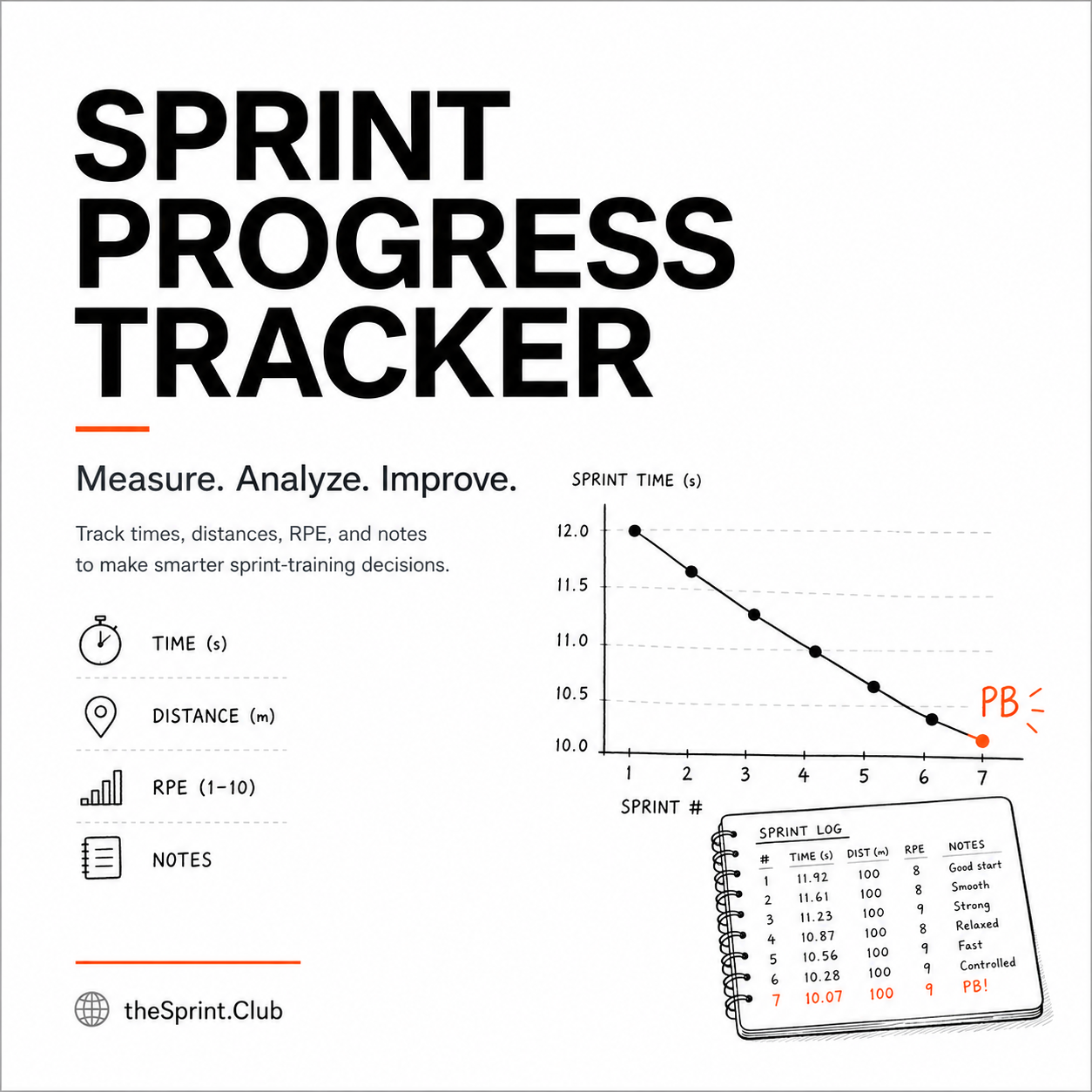
Sprint Progress Tracker: Measure and Improve Your Speed
|
|
|
|
Use a sprint progress tracker to record times, monitor fatigue, identify trends, and make smarter training decisions that improve sprint performance.
|
|
|
|
|
|
|
|
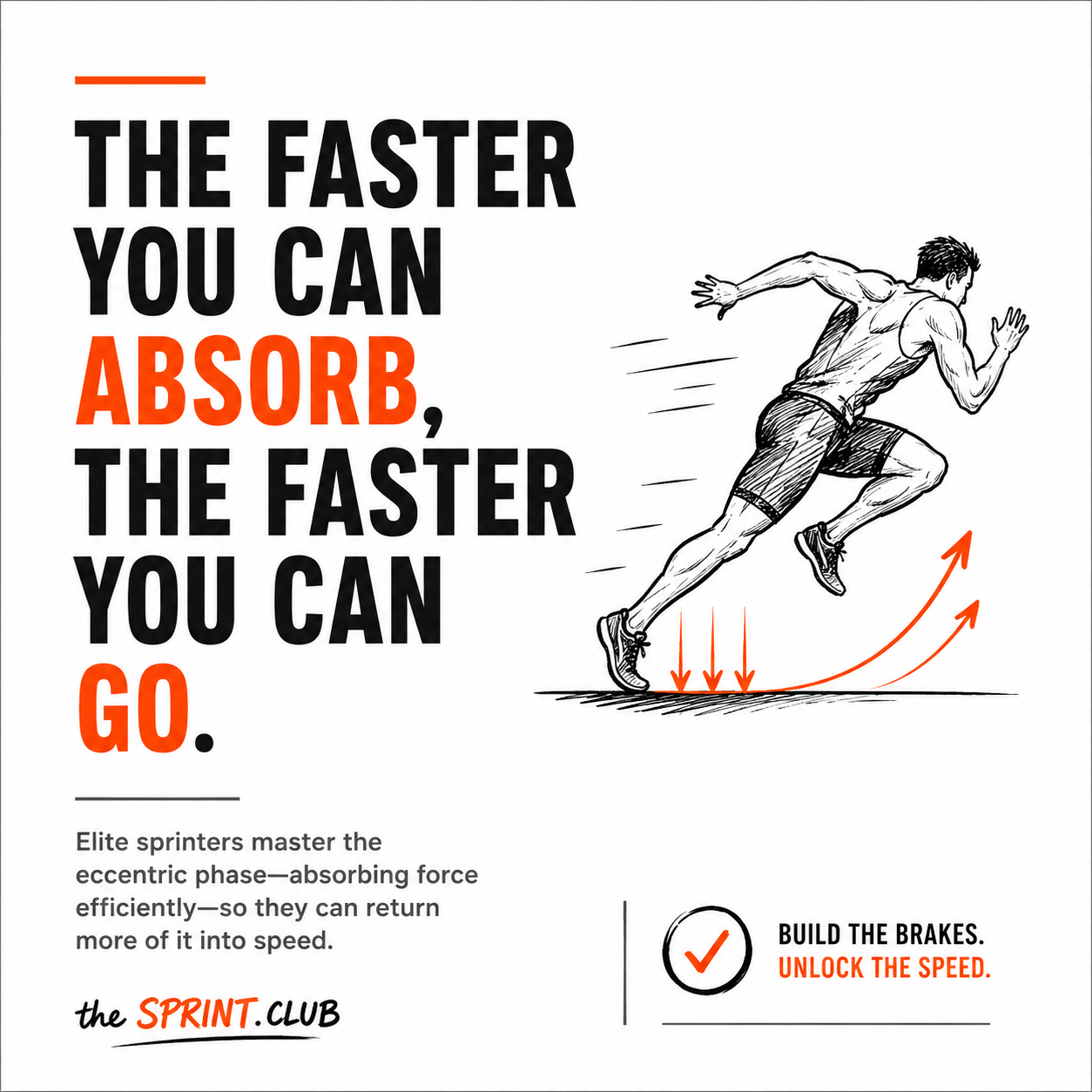
Why absorbing force efficiently is the missing link to faster sprint times, shorter ground contacts, and better performance.
|
|
|
|
Most athletes focus on producing force. Elite sprinters also master absorbing it. Every sprint step begins with a collision between the foot and the ground. Before you can produce force, your body must accept it. Athletes who develop exceptional eccentric strength can absorb larger forces, store more elastic energy, reduce ground contact time, and return more of that energy into …
|
|
|
|
|
|
|
|
|