|
|
|
|
Drop Jump Height, Without Guesswork
You can turn drop jumps into a precision tool, or a random knee tax.
|
Most people accidentally choose the second option.
|
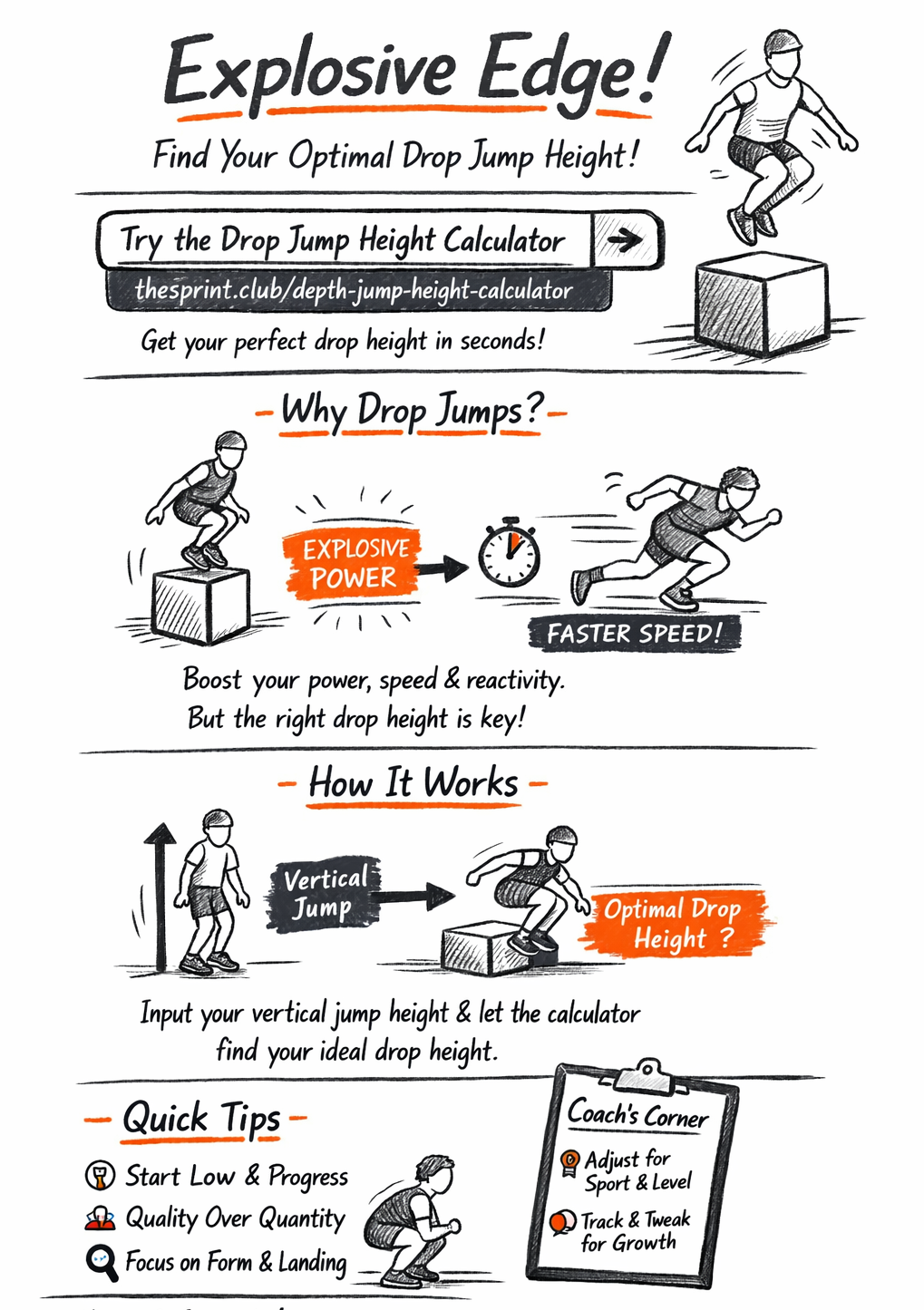
Your Drop Jump Height Calculator estimates an “optimal” starting drop height from your vertical jump (and it also shows recommended ranges by sport and level).
|
|
|
|
|
Why drop height matters
Drop jumps are not just “jumping harder.” They are a fast way to train the stretch-shortening cycle, but the drop height changes the problem:
|
-
|
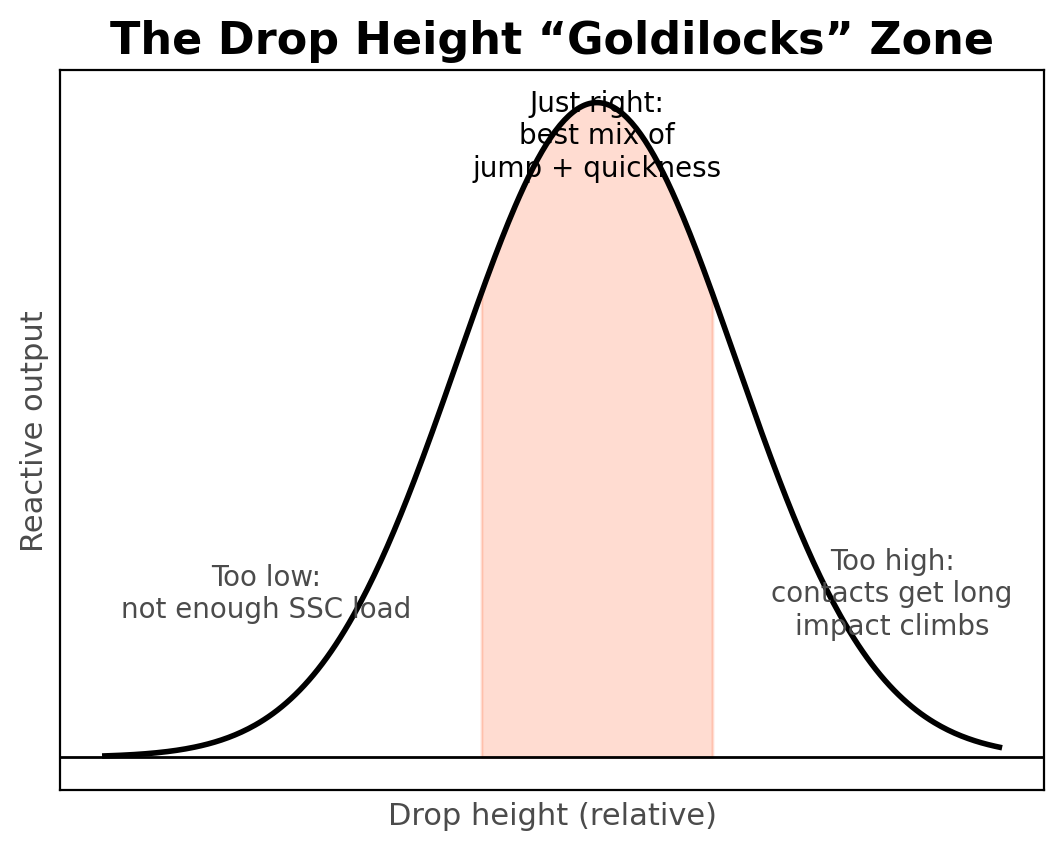
Too low, not enough loading to drive the reactive response.
|
-
|
Too high, you often lose the “snap,” ground contact gets longer, and forces rise without a matching performance payoff.
|
-
|
Somewhere in the middle is the Goldilocks zone. The research literature supports the idea that there is an “optimal” drop height for performance outputs, but that “optimal” varies by athlete and metric.
|
|
|
|
The 3-minute setup coaches can actually run
Step 1: Get a usable vertical jump number
-
|
Take best of 3 jumps under the same conditions.
|
-
|
Keep it simple: same warm-up, same shoes, same surface.
|
Step 2: Use the calculator to get a starting drop height
The tool is designed to translate your jump capacity into a practical starting point.
|
Step 3: Start slightly conservative on day one
|
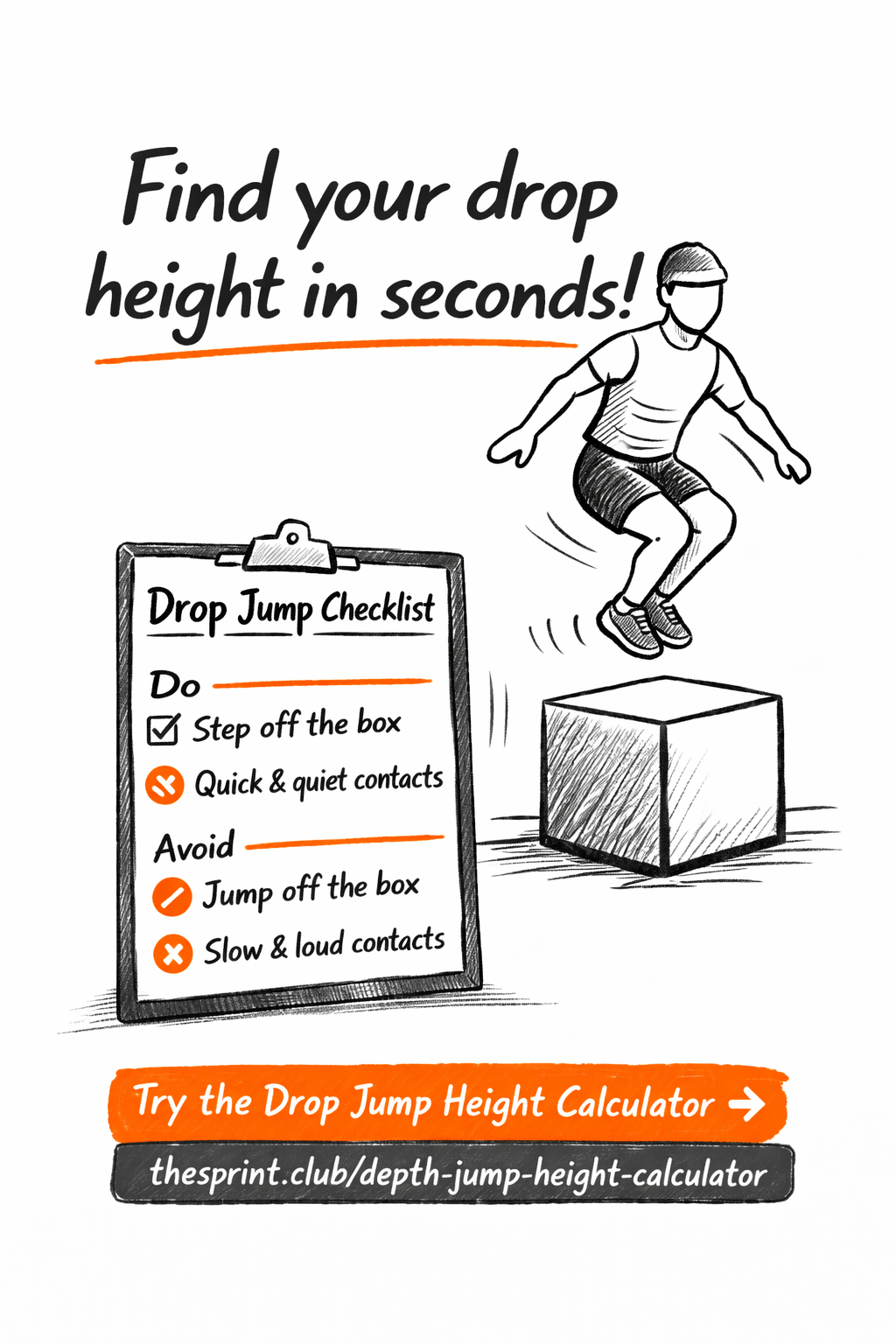
Even if an “optimal” number is suggested, most athletes do better starting 10–20 cm lower for the first exposure, then building up once contacts stay fast and landings stay quiet.
|
Rationale: skill and coordination influence outcomes in plyometric tasks, and early sessions are often a technique audit, not a true capacity test.
|
|
|
Use cases that make this tool worth sharing
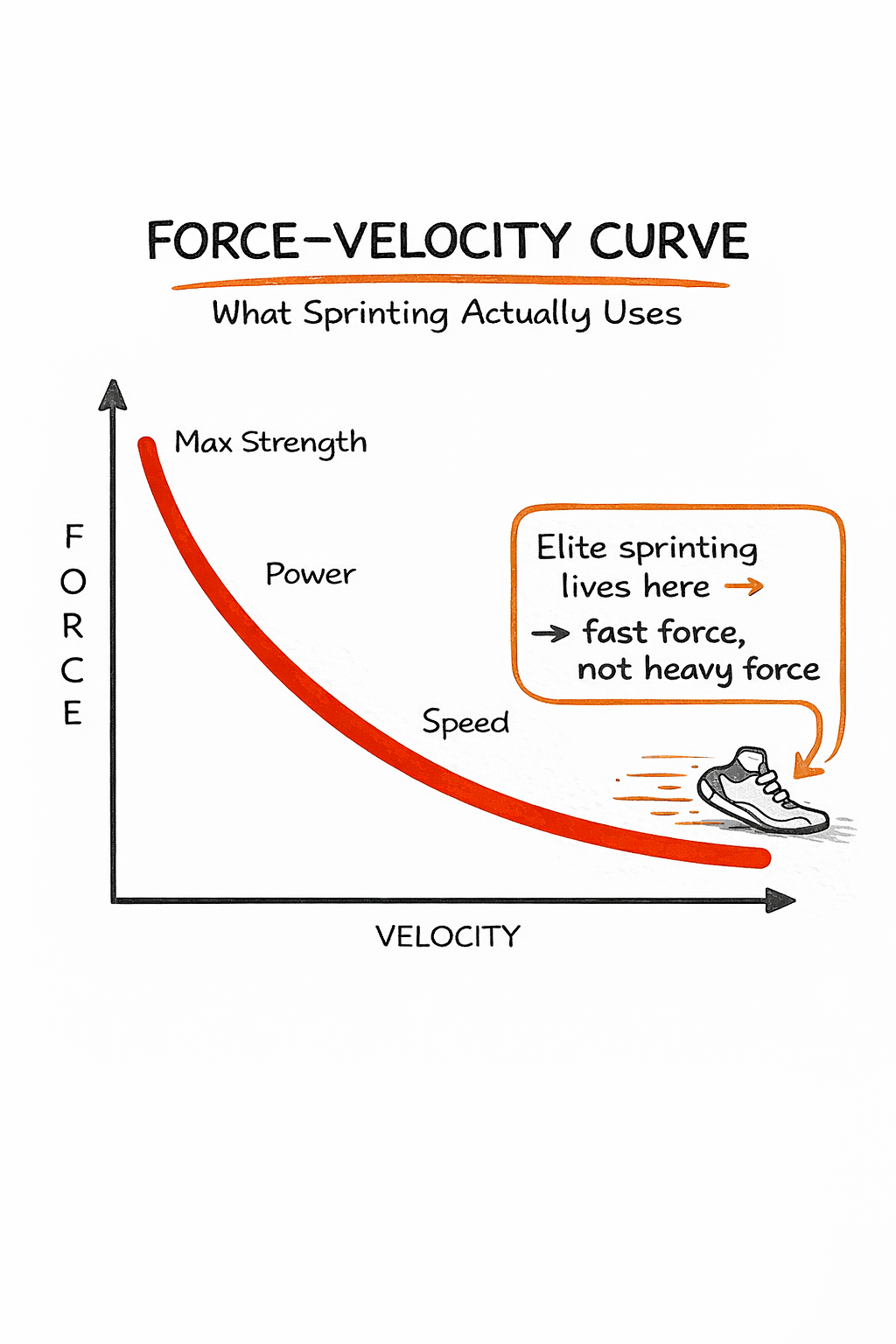
A. Sprint speed support (fast contacts)
Goal: keep contacts sharp.
|
-
-
|
Full recovery (walk back, breathe, no rushing)
|
-
|
Stop the set if the athlete starts “sinking” on landing
|
If your sprint program is already high-intensity, treat drop jumps like spice, not the main course.
|
B. Explosive athleticism (jump output)
Goal: improve reactive output while staying crisp.
|
-
-
|
Slightly longer reset between reps if height is the priority
|
-
|
A 2020 study in non-professional volleyball players found CMJ-focused training improved jump performance more than DJ-heavy training over six weeks, which is a useful reminder: drop jumps are powerful, but they are not automatically “more effective” for everyone, especially if the athlete’s execution turns them into slow, countermovement-style contacts.
|
|
|
|
|
|
|
|
|
|
|
Thanks for reading. See you soon!
|
|
|
|
|
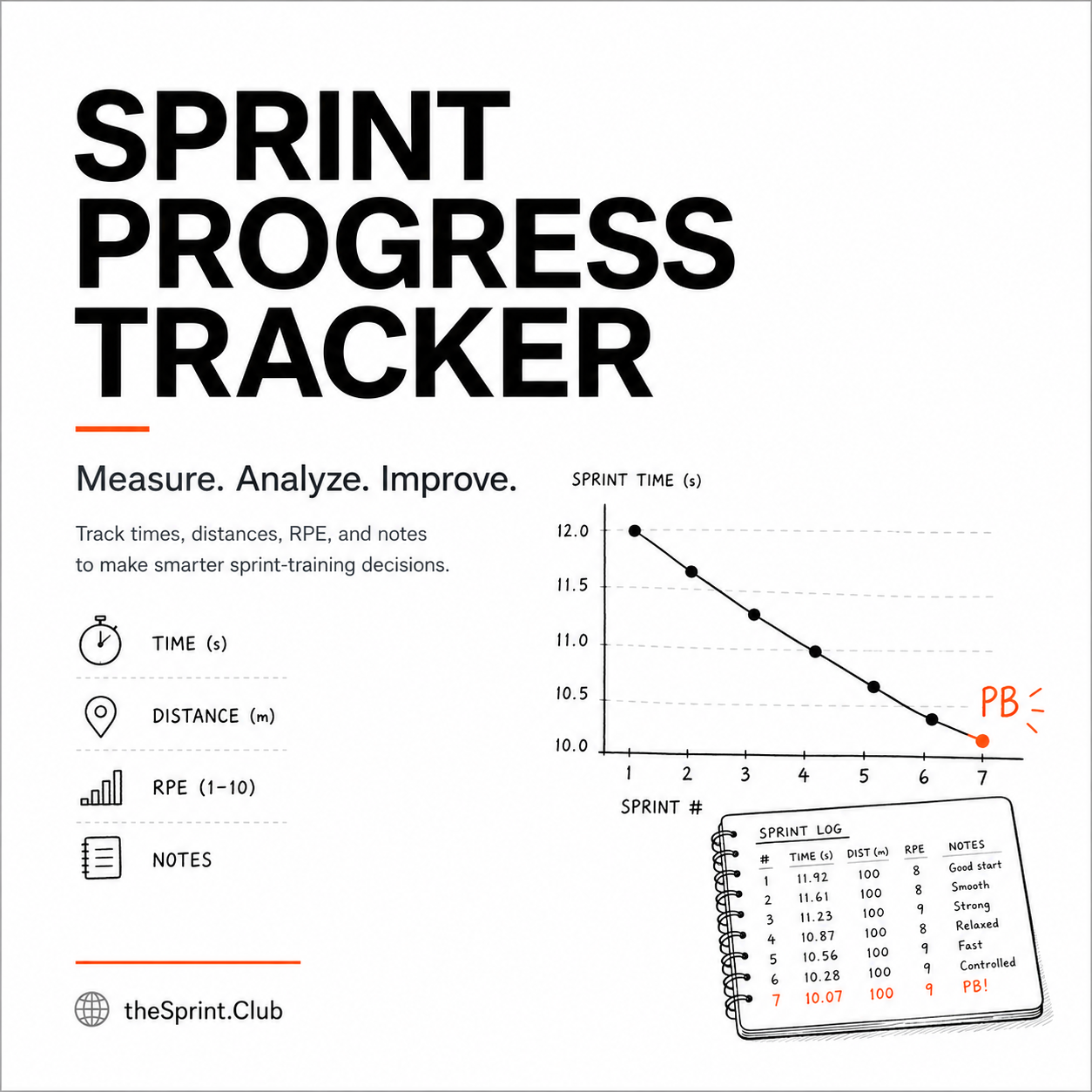
Sprint Progress Tracker: Measure and Improve Your Speed
|
|
|
|
Use a sprint progress tracker to record times, monitor fatigue, identify trends, and make smarter training decisions that improve sprint performance.
|
|
|
|
|
|
|
|
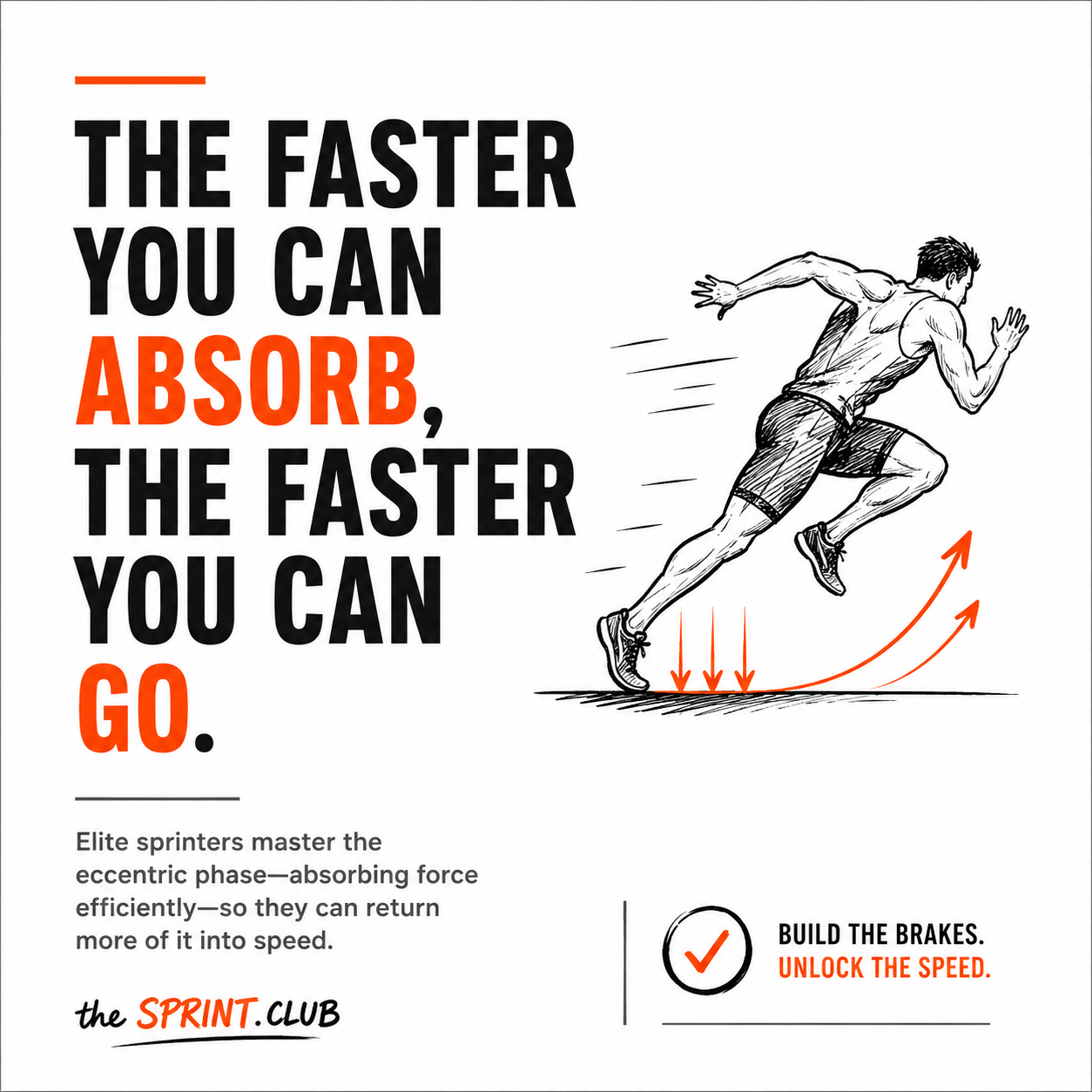
Why absorbing force efficiently is the missing link to faster sprint times, shorter ground contacts, and better performance.
|
|
|
|
Most athletes focus on producing force. Elite sprinters also master absorbing it. Every sprint step begins with a collision between the foot and the ground. Before you can produce force, your body must accept it. Athletes who develop exceptional eccentric strength can absorb larger forces, store more elastic energy, reduce ground contact time, and return more of that energy into …
|
|
|
|
|
|
|
|
|